Plain-English guides to time
101 guides to time zones, daylight saving time, calendars and the sky, each checked against the agency or standard it cites.
Calendar
7 guides
How Many Weeks Are in a Year? The 52-Week Answer Explained
Most calendar years contain 52 full weeks and one extra day; leap years have two extra days. ISO week-numbering years sometimes count 53 weeks, and pa

How Many Days Are in a Year?
Most calendar years have 365 days; leap years have 366. Here’s how leap years work, why a year is not exactly 365 days, and how to count weekdays and

Julian Date: What It Means and How to Convert It
“Julian date” has two common meanings: a continuous day count used in astronomy and a year-plus-day-of-year code found on some labels and records. Lea
What Is a Leap Year? The Rule, the Reason, and What Comes Next
A leap year has 366 days because Earth’s trip around the Sun does not take exactly 365 days. Here’s the simple rule for identifying one, why the calen

Julian Calendar vs. Gregorian Calendar: What Changed?
The Gregorian calendar is a corrected version of the Julian calendar, but the change did not happen everywhere at once. Here’s how their leap-year rul

What Week Number Is It? How ISO Week Numbers Work
As of November 10, 2026, it is ISO week 46. Learn how the Monday-starting ISO calendar assigns weeks, why week numbers can differ in the U.S., and how

Why Are There 7 Days in a Week? The History Behind the Calendar
The week is a human-made cycle, not a direct measure of the Moon or Sun. Its seven-day pattern grew from ancient traditions, took hold in Roman life a
Units of time
5 guides

How Many Seconds Are in a Day?
A standard 24-hour day contains 86,400 seconds: 24 × 60 × 60. The number is useful for everyday conversions, but Earth’s rotation and leap seconds mea
How Many Hours Are in a Year?
A common calendar year has 8,760 hours; a leap year has 8,784. Here’s how those totals work, how many hours fall in each month, and why paid work hour
How Many Hours Are in a Week? A Practical 168-Hour Breakdown
A standard week contains 168 hours. Here’s the arithmetic behind that total, how work, sleep and commuting can fit into it, and how to plan the remain

How Many Minutes Are in a Year?
A 365-day year contains 525,600 minutes. Add a leap day and the total becomes 527,040; the calculation is simple once you know how many days are in th
Why Are There 60 Minutes in an Hour?
The 60-minute hour comes from ancient sexagesimal, or base-60, mathematics. Egypt’s division of day and night into 12 parts each helped shape the 24-h
Sun and sky
13 guides

What Time Does the Sun Set? How to Find Your Local Sunset
There is no single sunset time: it changes with your location and the date, and the clock time also reflects your time zone and daylight saving time.

Golden Hour: What It Is, Why It Happens, and When to Find It
Golden hour is the short period when the Sun is low and its light takes on a warm, soft quality. Its timing and duration change with your location, th
Fall Equinox 2027: Date, Time, and the Meaning of the Equinox
The September equinox happens at one exact moment worldwide, but its local date and clock time vary. Here’s when it occurs in 2027 and what “equal nig

Shortest Day of the Year: December Solstice 2026
In the Northern Hemisphere, the shortest day of 2026 falls on December 21, the date of the December solstice. The exact moment is 20:50 UTC, and dayli
The Longest Day of the Year: 2027 Date, Time and Daylight
The June solstice brings the Northern Hemisphere its longest daylight period of 2027. Here’s when it happens, how daylight varies by location, and wha
Civil Twilight Explained: The Three Types of Twilight
Civil twilight is the brightest stage of twilight, defined by the Sun’s center sitting 6 degrees below the horizon. Learn how it fits into the full se
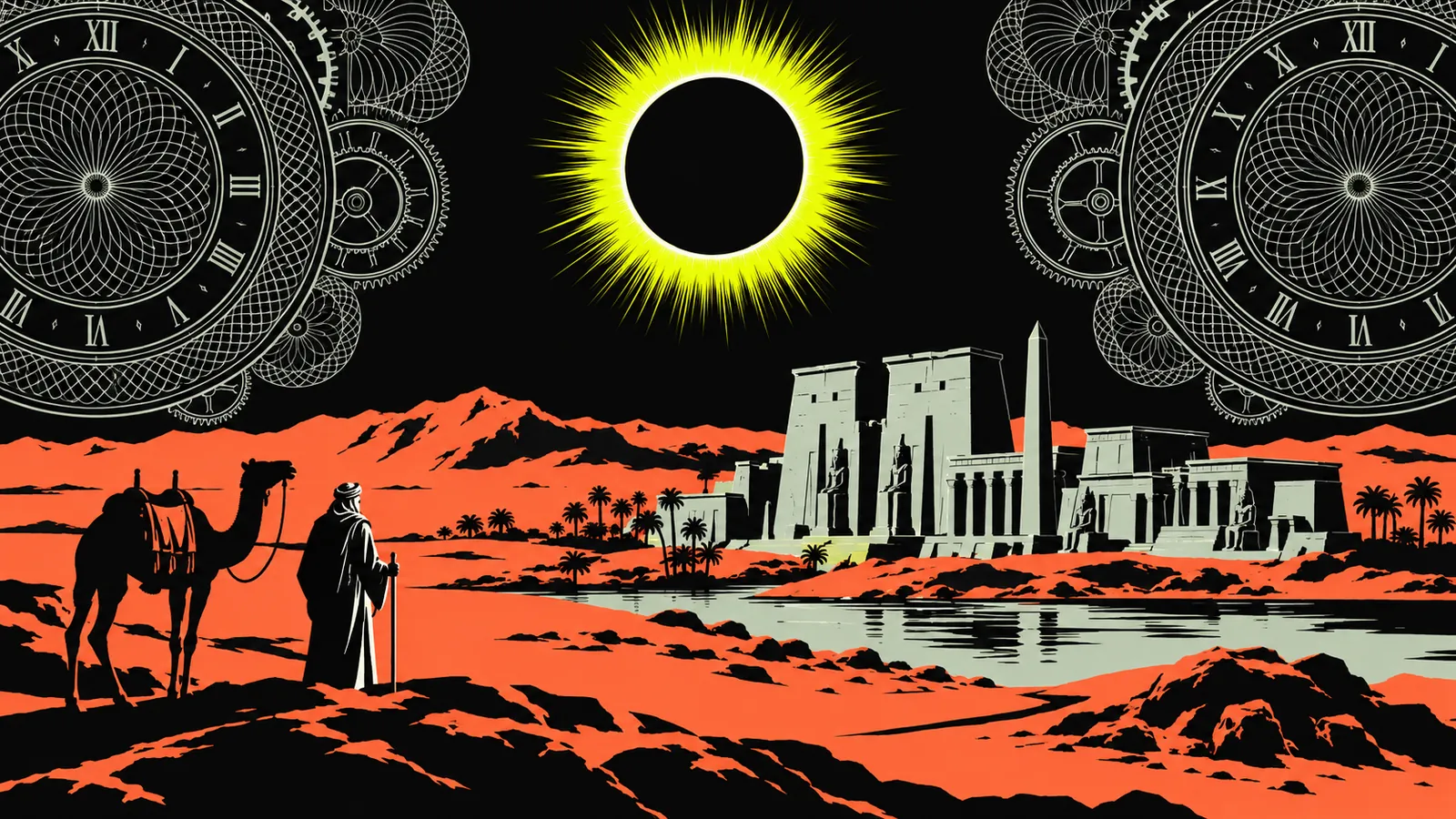
Solar Eclipse 2027: August Path, Timing and Safe Viewing
A total solar eclipse crosses parts of southern Spain, North Africa and Egypt on August 2, 2027. Here’s where to look, how to plan around local time a
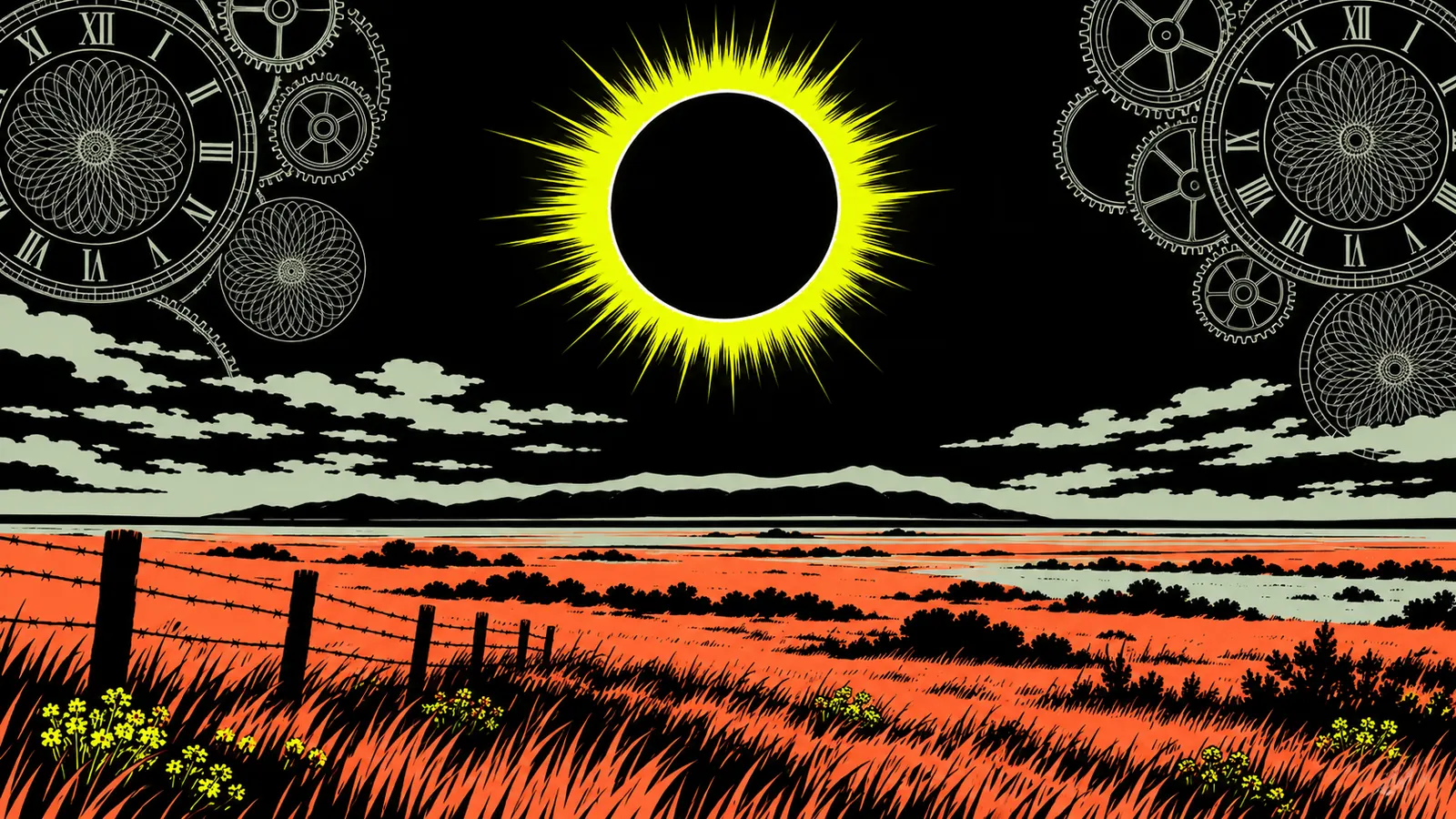
When Is the Next Total Solar Eclipse in the United States?
The next total solar eclipse in the contiguous United States is August 23, 2044, with the path crossing parts of Montana and North Dakota. A coast-to-

Summer Solstice 2027: Exact Time in ET, CT and PT
The 2027 Northern Hemisphere summer solstice occurs on Monday, June 21. Find the exact moment in Eastern, Central and Pacific time, plus what it means

Spring Equinox 2027: Exact Time and What It Means
The 2027 March equinox occurs on March 20 at 20:25 UTC, or 4:25 p.m. EDT and 1:25 p.m. PDT. Here’s what the equinox marks, why day and night aren’t ex

Golden Hour Calculator: How to Find the Best Light
Golden hour is the period when the Sun sits low and its light appears warm and soft. Learn how to estimate it from solar elevation, or use the calcula

Blue Hour Photography: When to Shoot and How to Plan
Blue hour is a short, changing period of twilight when the Sun is roughly 4 to 6 degrees below the horizon. Plan around local sunset or sunrise, then
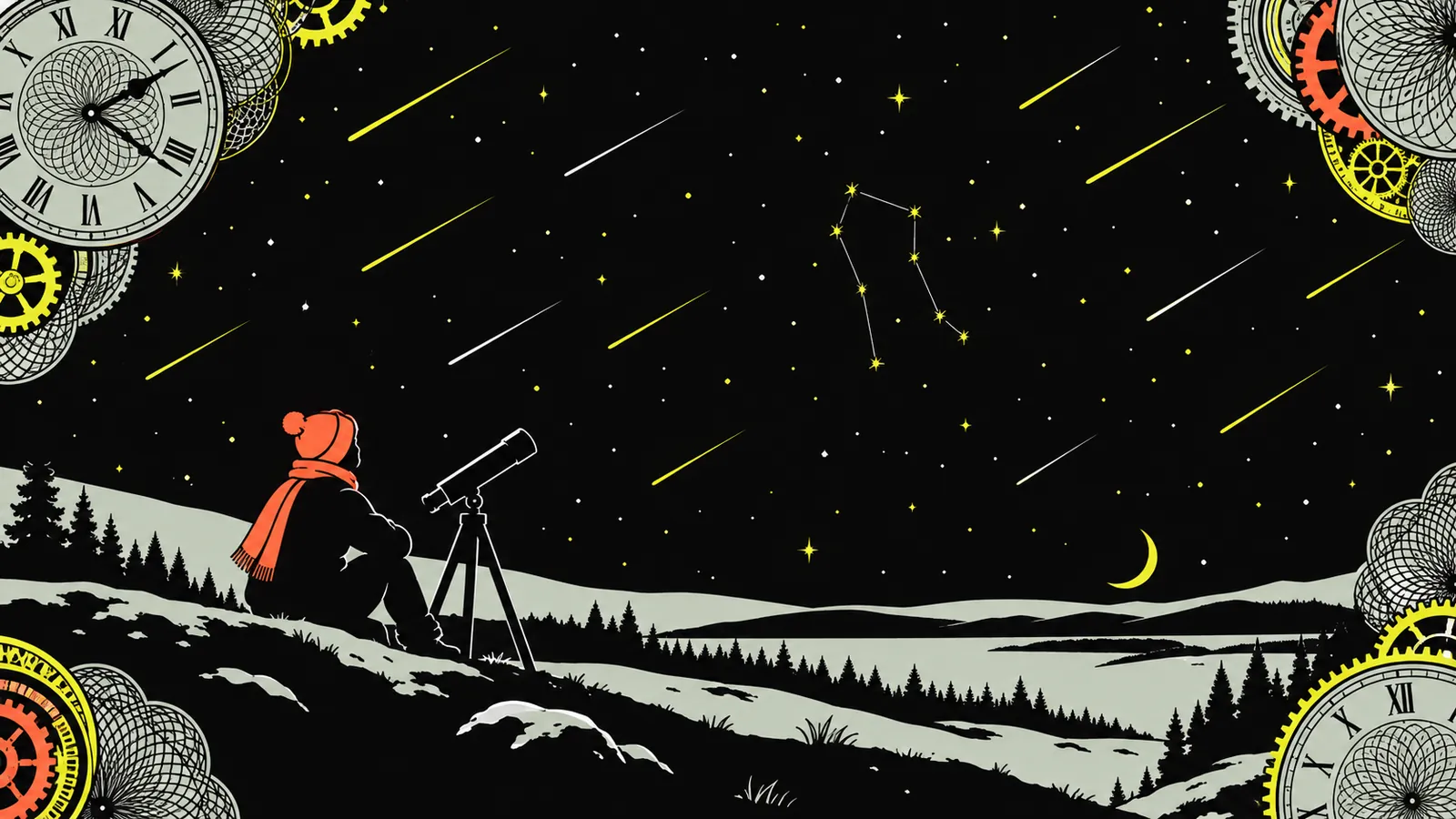
Geminid Meteor Shower 2026: When to Watch and What to Expect
The Geminids are active December 4–17, with the peak on December 13–14. A waxing-crescent Moon is expected during the peak, and dark skies plus patien
Daylight saving time
11 guides
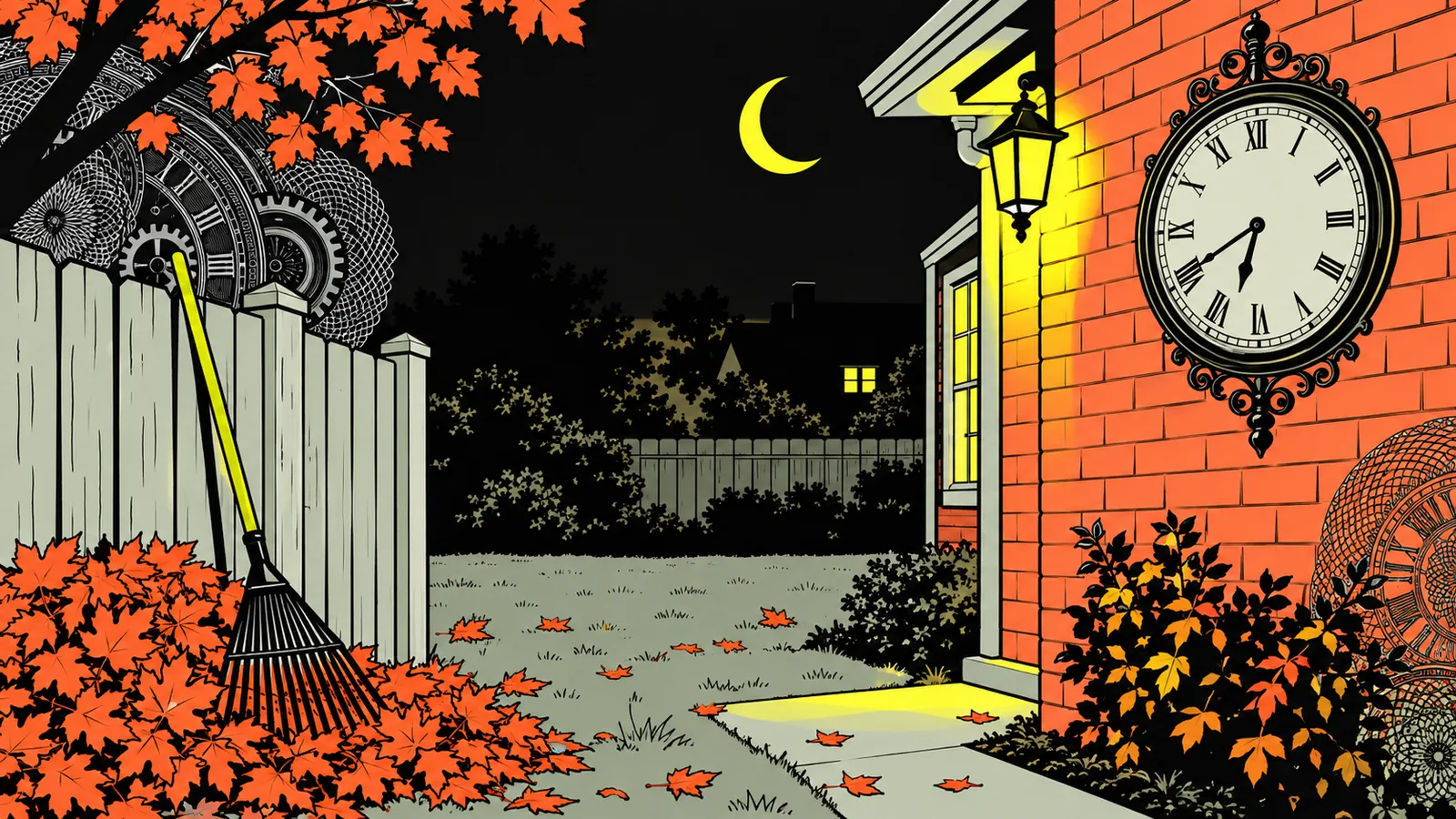
When Does Daylight Saving Time End in the U.S.?
In most of the United States, daylight saving time ended on Sunday, November 1, 2026, when clocks went back one hour. The next change is Sunday, Novem

When Does Daylight Saving Time Start in the U.S.?
In most of the United States, clocks move ahead at 2 a.m. on the second Sunday in March. The date differs in Europe, the UK and the Southern Hemispher
Sunshine Protection Act: What Congress Has Done and What Comes Next
The Sunshine Protection Act would make daylight saving time permanent, but it is not yet law. Here is the 119th Congress status shown by Congress.gov,
Why Do We Have Daylight Saving Time? The History and the Debate
Daylight saving time was introduced to shift an hour of daylight from morning to evening, with wartime fuel conservation a major early motive. Its ene

Daylight Saving Time 2027 Dates Around the World
In 2027, U.S. clocks move forward March 14 and back November 7. Europe and the UK change March 28 and October 31, while Australia and New Zealand foll

Does Hawaii Have Daylight Saving Time? Here’s How HST Works
Hawaii stays on Hawaii Standard Time (HST), UTC−10, all year. The clocks do not change, but the time difference with mainland cities shifts when those

When Do Clocks Change in Europe? Dates and Rules
In the EU and UK, clocks move forward on the last Sunday in March and back on the last Sunday in October. The 2027 changes fall on March 28 and Octobe
When Do Clocks Go Back in the UK? Dates Through 2030
The UK’s clocks went back on Sunday, 25 October 2026. They go forward on 28 March 2027 and back again on 31 October 2027; find the dates and details t

Which States and U.S. Territories Do Not Observe Daylight Saving Time?
Hawaii and most of Arizona stay on standard time year-round. Five U.S. territories do too, while conditional state laws could change permanent dayligh

Does Arizona Observe Daylight Saving Time? The Navajo Nation Exception
Most of Arizona does not change clocks for daylight saving time. The Navajo Nation is the exception, while the Hopi Reservation stays on standard time

Daylight Saving Time and Your Health: What to Know
The American Academy of Sleep Medicine says clock changes can disrupt sleep and wake patterns for several days. Here is what that means, why permanent
Time zones
13 guides
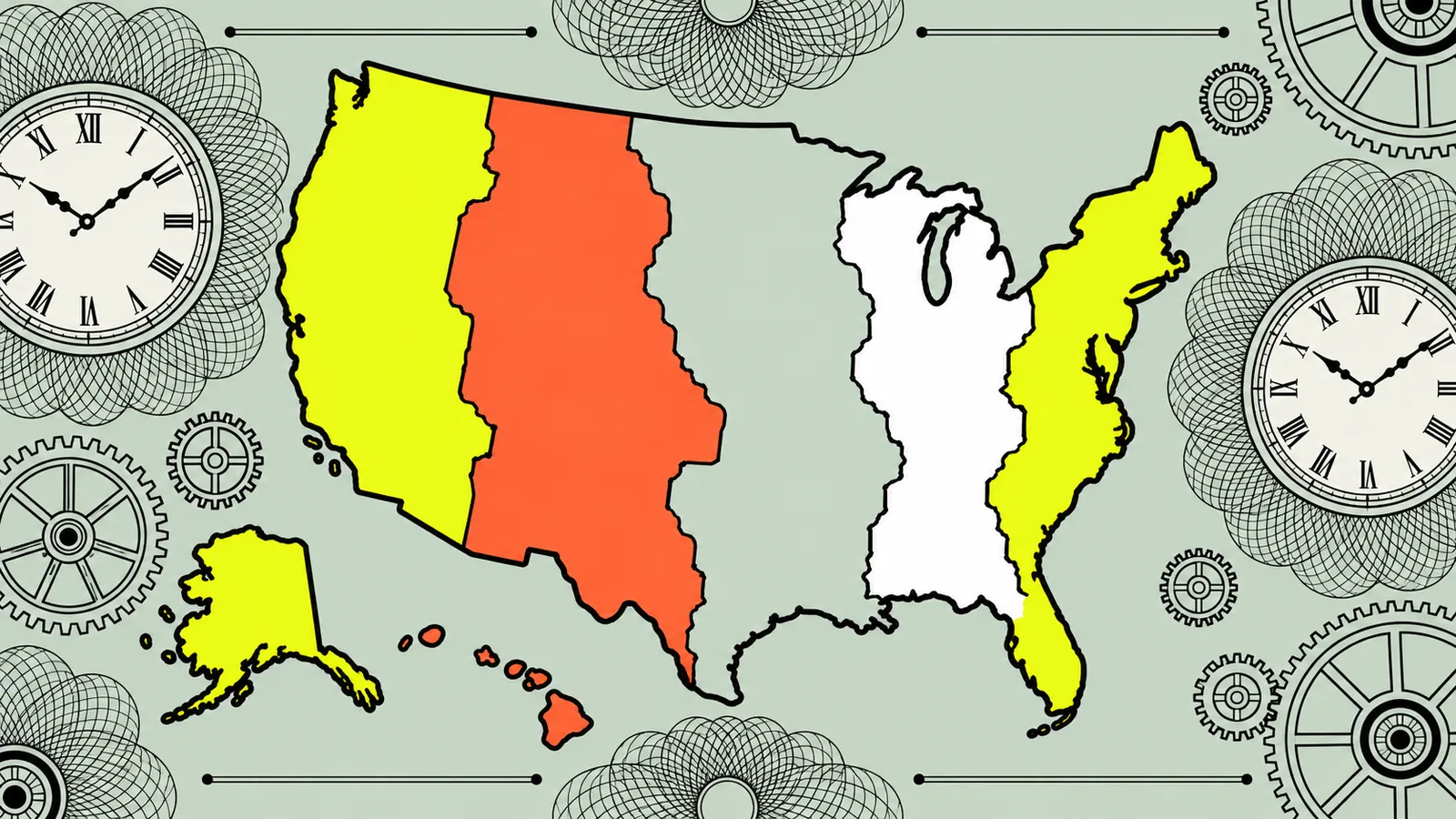
USA Time Zone Map: States, Boundaries and Daylight Saving
Use the map and state table to find the U.S. time zone for a state or territory. Boundary details matter in states that span zones, and daylight savin

Time Zones in Australia: AEST, ACST, AWST and Daylight Saving
Australia’s mainland spans three standard time zones: AEST, ACST and AWST. Daylight saving changes the clocks in some states and territories, while Qu

How Many Time Zones Are in the United States?
Across the 50 states, people commonly refer to six time zones. Federal law defines nine standard zones for U.S. territory, including zones used by ter

Time Zones in Canada: A Guide to All Six Zones
Canada spans six time zones, from Pacific Time in the west to Newfoundland Time in the east. Most regions change clocks seasonally, but most of Saskat

How Many Time Zones Are There Around the World?
The familiar answer is 24, based on a theoretical system of one-hour zones. In practice, a November 10, 2026 count of geographic zones in IANA data fi

How Many Time Zones Does China Have?
China uses Beijing time, UTC+8, across the country—even in far-western Xinjiang. The official clock is the same nationwide, but the Sun and local rout

How Many Time Zones Does Russia Have? All 11 Explained
Russia spans 11 time zones, from UTC+2 in Kaliningrad to UTC+12 in its far east. Here’s how the offsets work, which cities use them, and why Russian c
Which Country Is First to See the New Year?
Kiribati’s Line Islands are the first inhabited places to enter January 1, while uninhabited Baker and Howland Islands are among the last. Here is the

The International Date Line: Where It Is and How It Works
The International Date Line is an imaginary boundary between calendar dates, not a fixed line drawn exactly along 180° longitude. Its bends reflect ch

Half-Hour Time Zones: Why Some Places Use :30 and :45 Offsets
Most time zones differ from UTC by whole hours, but several places use offsets ending in :30 or :45. Here are the main examples, the current non-whole

What Is a Time Zone? A Clear Guide to UTC, Borders and DST
A time zone gives a region a shared civil clock time, even though the Sun’s position varies across it. Here’s how longitude, UTC offsets, political bo
Which States Are in the Central Time Zone?
Ten states are entirely in the Central Time Zone, while ten more share it with another zone. Here’s the state list, how official boundaries work, and

Which States Are in the Mountain Time Zone?
Six states are in the Mountain Time zone statewide, while parts of eight others use it. The key exception is Arizona, where most clocks stay on Mounta
Holidays
6 guides
When Is Thanksgiving 2026? Dates Through 2032
In the United States, Thanksgiving falls on the fourth Thursday of November. In 2026, that is November 26; use the dates below to plan ahead through 2

When Is Easter 2027? Dates, Calculation and Calendar
Western Easter falls on Sunday, March 28, 2027. Orthodox Easter is May 2; the dates differ because many Orthodox churches use older Julian-based table

When Is Memorial Day 2027? Date, Rules and Closures
Memorial Day falls on Monday, May 31, 2027. Find the federal rule behind the date, future dates through 2032, and practical guidance for checking holi

Federal Holidays in 2027: All 11 Dates and Observed Days
The 2027 federal holiday calendar includes 11 holidays. Find each legal date and, when a holiday falls on a weekend, the weekday most federal employee

When Is Labor Day 2027? Date, Calendar, and Planning
In 2027, Labor Day falls on Monday, September 6—the first Monday in September. Canada’s Labour Day is on the same date, giving both countries a matchi

When Is Mother’s Day 2027? U.S. and UK Dates
In the United States, Mother’s Day 2027 falls on Sunday, May 9. The UK observes Mothering Sunday on March 7, and U.S. Father’s Day follows on June 20.
Productivity
3 guides

Time Blocking: How to Plan a Week That Works
Time blocking means reserving calendar time for specific tasks, task groups, and breaks. Use a weekly plan as a flexible guide: prioritize first, leav

The Pomodoro Technique: A Practical Guide to Focused Work
The Pomodoro Technique breaks focused work into 25-minute sessions, with short breaks between them and a longer break after four sessions. Here’s how

Practical Time Management Tips for a More Focused Day
A useful time-management system makes priorities visible and leaves room for real life. Start with a short plan, schedule focused work, and adjust the
Clocks
1 guides

History of timekeeping
5 guides
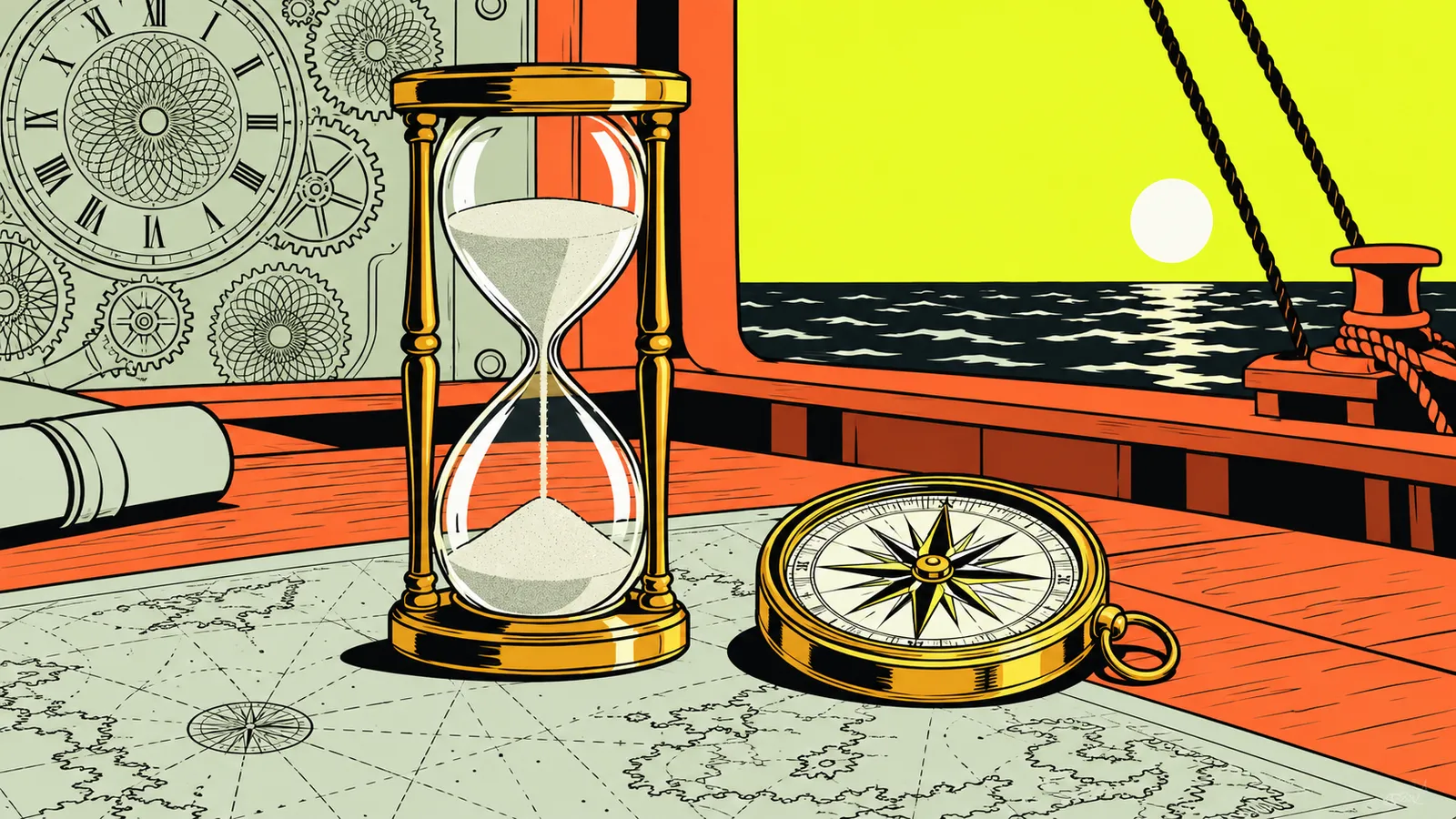
How an Hourglass Works: History, Uses, and Accuracy
An hourglass measures a set interval by letting granular material flow through a narrow opening. Its history reaches from medieval Europe to shipboard
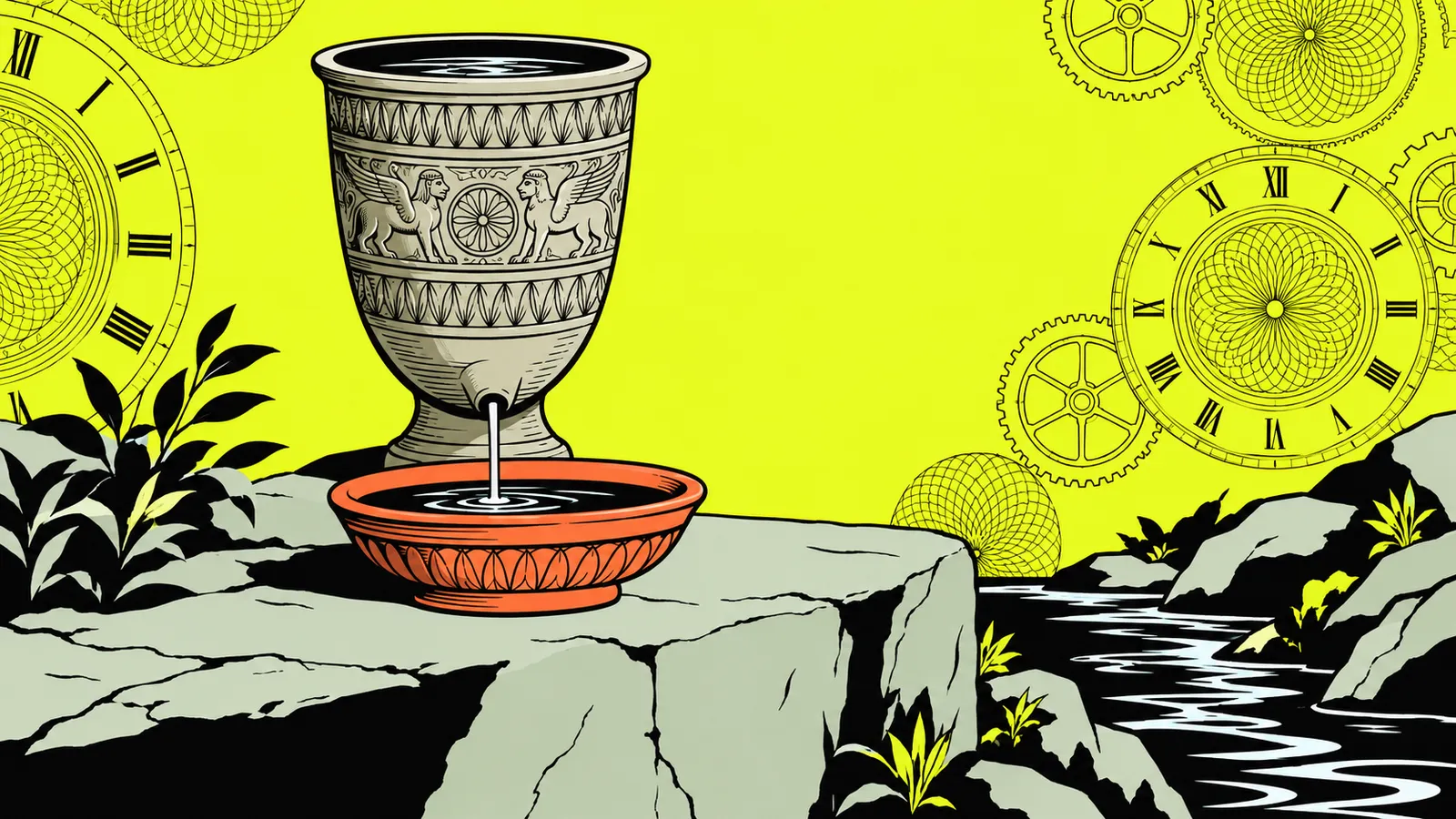
Water Clocks: How Clepsydras Measured Time
A water clock, or clepsydra, measures time by tracking water as it flows into or out of a vessel. Its simple principle supported increasingly elaborat

The History of Time Zones: How Railways Set the Clock
Time zones grew out of a practical problem: towns set their clocks by the Sun, but trains needed schedules that worked across cities. Railways helped
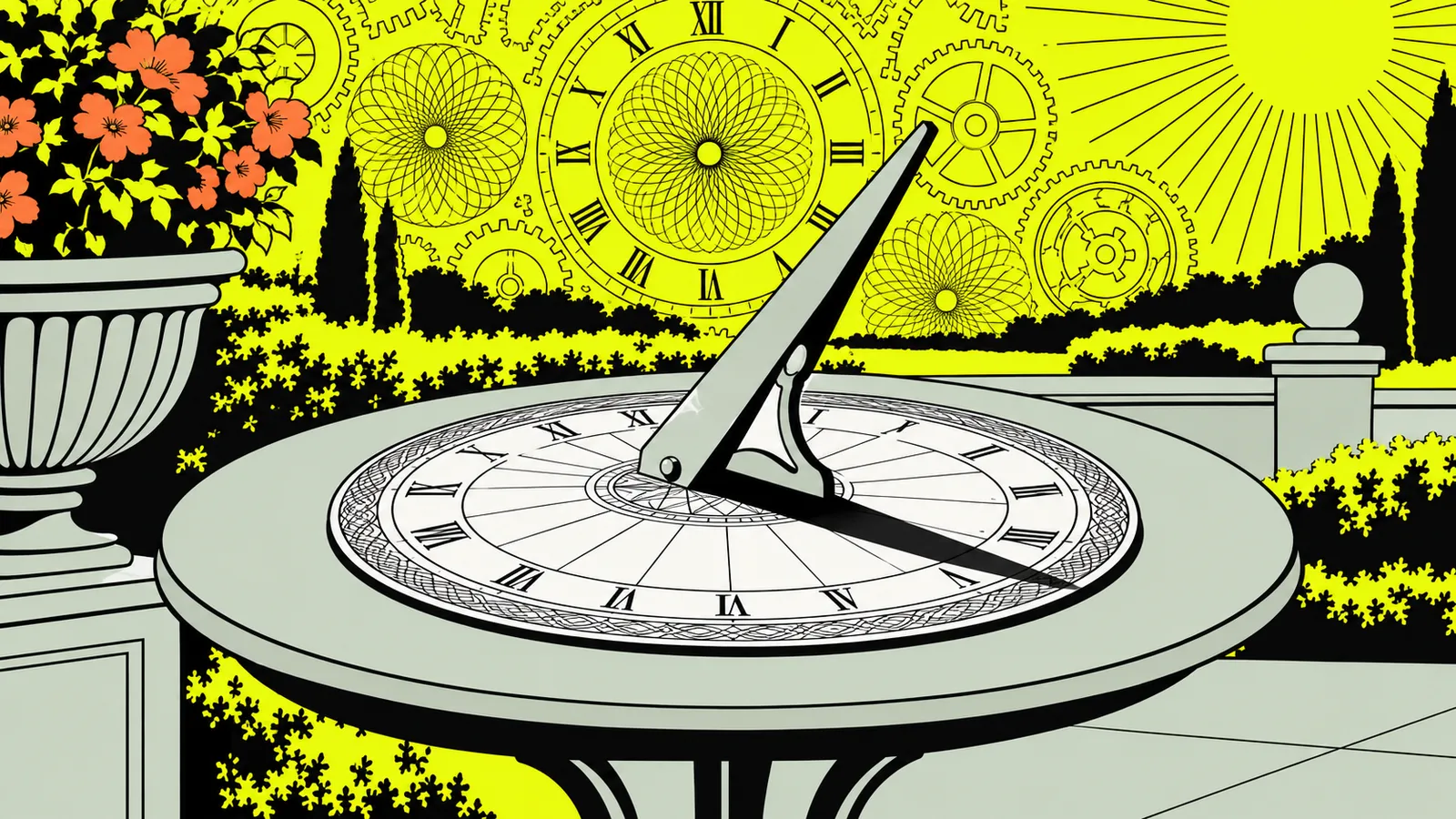
Sundial: How It Works and How to Make a Simple One
A sundial tells time by tracking the Sun’s shadow. Its gnomon must align with Earth’s axis, while longitude, the equation of time, and daylight saving
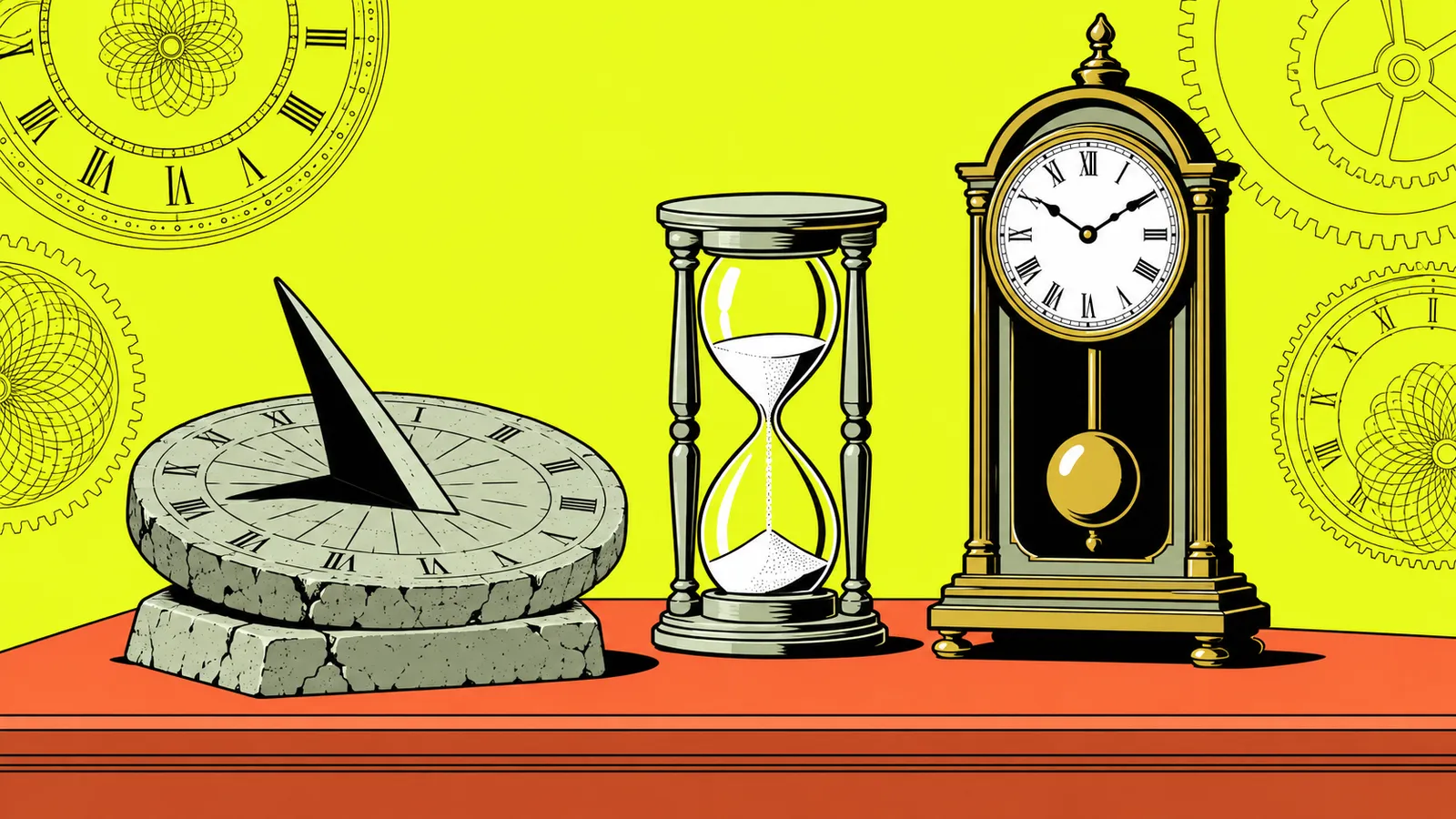
The History of Timekeeping: From Sundials to Atomic Clocks
People have measured time by tracking shadows, flowing water, falling sand, swinging pendulums, vibrating crystals, and atomic transitions. Each new m
Time standards
7 guides
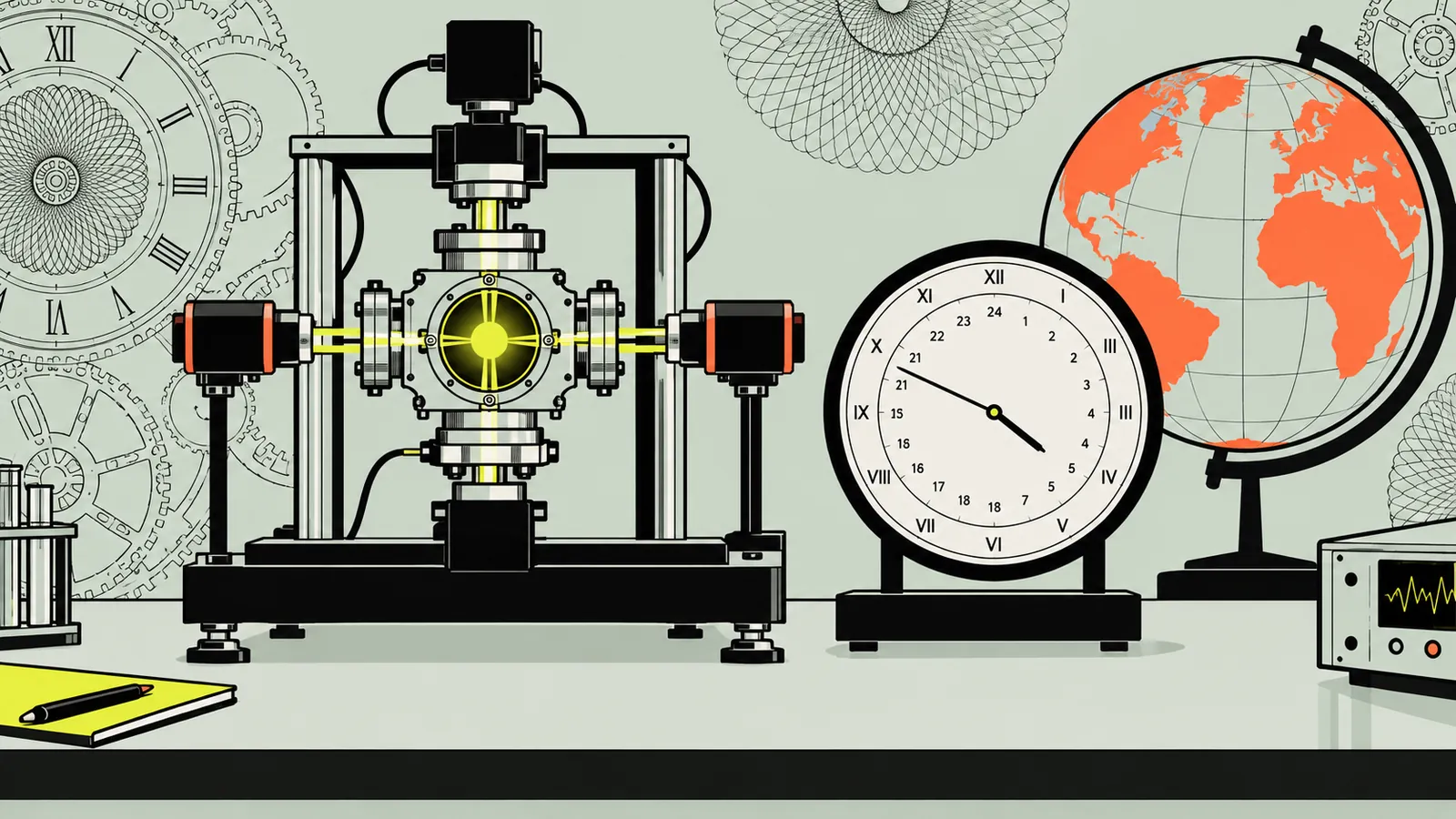
What Is UTC? A Clear Guide to Coordinated Universal Time
UTC is the shared time standard used to coordinate clocks around the world. Learn how it relates to atomic clocks, leap seconds, local time offsets, G
Network Time Protocol: How NTP Keeps Clocks in Sync
Network Time Protocol lets computers compare their clocks with time servers and correct drift. Here’s how NTP strata, NIST servers, accuracy, and cloc
What Is Zulu Time? A Guide to UTC, Time-Zone Letters, and Conversions
Zulu time is another name for UTC: a common reference that does not shift for local daylight saving time. Here’s how to read Z times, use the military
GMT vs UTC: The Difference, Explained
GMT began as mean solar time at Greenwich; UTC is an atomic time standard adjusted to stay close to Earth’s rotation. For everyday clock times, they u

Official U.S. Time: How NIST, USNO and Your Devices Keep Time
NIST and the U.S. Naval Observatory are the nation’s official timekeepers. Here’s how their atomic-clock time reaches time.gov, phones, computers, and
What Is an Atomic Clock? Cesium, NIST-F2, and Time on Your Devices
Atomic clocks use the steady frequency of atoms to define and measure time. Here’s how cesium-133 sets the second, how NIST-F2 supports U.S. timekeepi
Leap Seconds Explained: Why They’re Added to UTC
Leap seconds are occasional one-second adjustments to UTC that keep it close to Earth’s uneven rotation. Here’s who decides when they happen, what cou
Markets
3 guides
Stock Market Hours: When U.S. and Global Exchanges Trade
The NYSE and Nasdaq stock markets share core hours of 9:30 a.m. to 4:00 p.m. Eastern Time on regular weekdays. Their extended sessions, exchange holid

Forex Market Hours: The Weekly Schedule, Sessions, and Overlaps
The forex week is commonly described as opening Sunday at 5 p.m. ET and closing Friday at 5 p.m. ET. Session times are approximate, and daylight savin

Stock Market Holidays 2027: NYSE Closures and Early Closes
The NYSE lists 10 full-day closures in 2027 and one published early close, on November 26. Nasdaq’s schedule source confirms regular hours but does no
Travel and jet lag
3 guides

Melatonin for Jet Lag: What to Know About Timing and Safety
Melatonin may help reduce jet-lag symptoms, but timing matters: taking it at the wrong point in your body clock can worsen misalignment. Here is what

Jet Lag Symptoms: Why They Happen and How to Feel Better
Jet lag can disrupt sleep, energy, focus, digestion, and mood after crossing time zones. Learn what symptoms to expect, how long they may last, and ho

How to Calculate Flight Duration Across Time Zones
Local departure and arrival times don’t tell you how long you were in the air by themselves. Convert each to UTC, then subtract—accounting for the dat
Moon
4 guides
What Is a Blue Moon? The Two Definitions Explained
A blue moon is a calendar label, not a different lunar phase. The name has two common meanings, and the next one is due on May 20, 2027.
What Is a Supermoon? A Clear Guide to the Moon Near Perigee
A supermoon is a full Moon that happens near the Moon’s closest point to Earth. Here’s what perigee means, how much bigger and brighter the Moon can a
Full Moon Calendar 2027: Dates, Times, and Names
The 2027 calendar has 12 full moons, from January 22 to December 13. Find each exact UTC and Eastern time, the traditional monthly name, and what to k
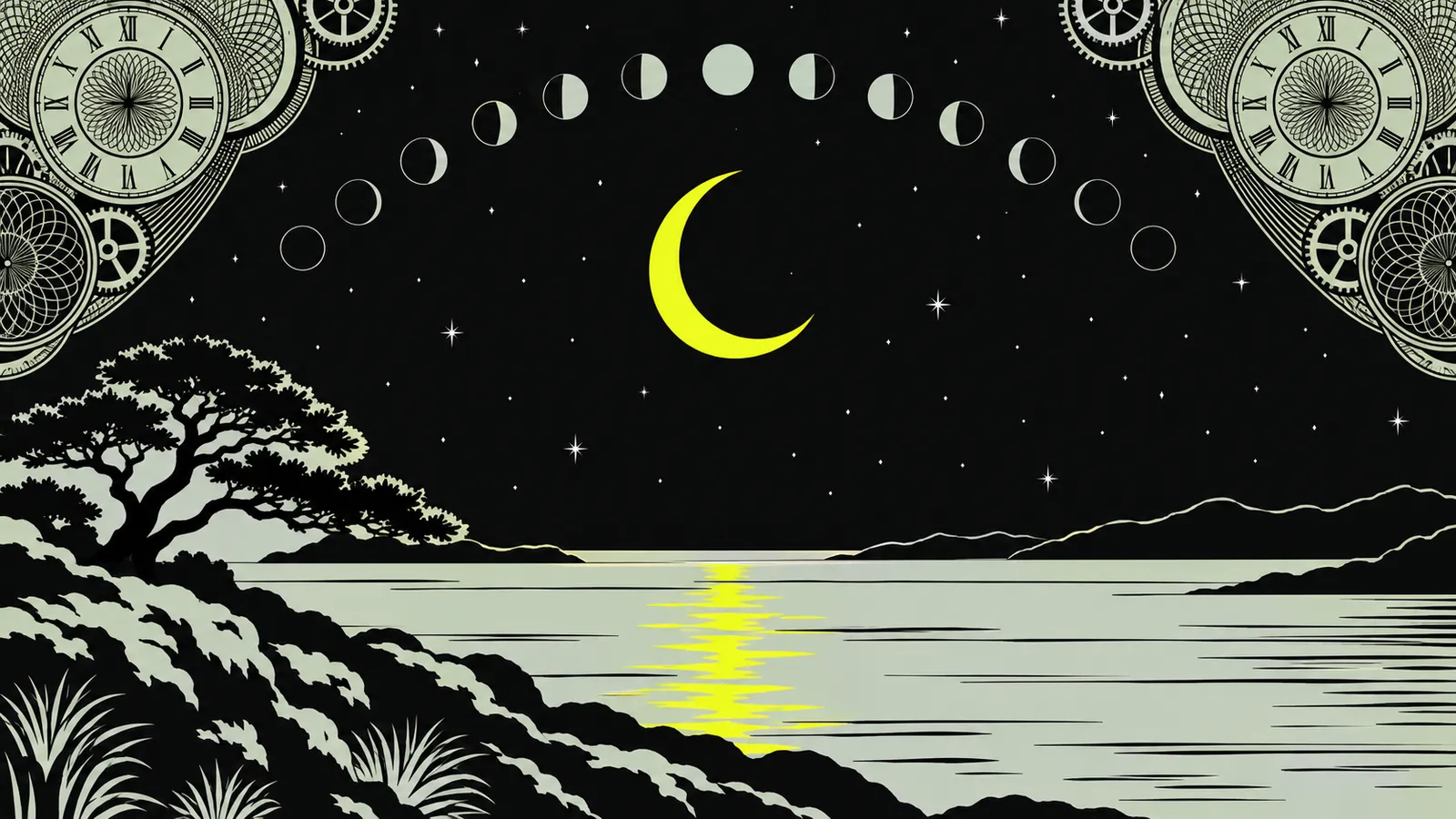
Moon Phases Explained: A Guide to the Eight Phases
The Moon’s changing appearance follows a repeating cycle of sunlight and viewing angle—not Earth’s shadow. Learn the eight phases, how waxing and wani
Devices
3 guides

How to Change the Time on Your iPhone
Your iPhone normally sets its time and time zone automatically. You can switch to manual settings, choose a time zone, or change the clock to 24-hour

How to Change the Time Zone in Windows 11
Windows 11 can set your time zone automatically or let you choose one yourself. Here’s where to change it, sync the clock, and keep other cities’ time

How to Change the Time and Clock Settings on Android
Android can set the time and time zone automatically, or let you change them manually. You can also add a home clock for travel and switch between 12-
Work time
1 guides

Computing time
2 guides

What Is Epoch Time? A Plain-English Guide to Unix Time
Epoch time is a compact way to represent a moment as a count from a fixed starting point. Here’s how Unix time works, how to convert it, and where com

How Computers Keep Time: Quartz Clocks, NTP and Time Zones
A computer’s clock starts with a tiny oscillator, but staying close to official time takes more than counting ticks. Here’s how the hardware, operatin
Working across time zones
6 guides

How to Schedule Meetings Across Time Zones
Choose one anchor time zone, check each attendee’s local time, and put the zone and UTC offset in your message. A daylight saving time check and a fai

Best Time to Call India From the USA: A Practical Guide
India is 9 hours 30 minutes ahead of U.S. Eastern Time during daylight saving time and 10 hours 30 minutes ahead in winter. For many callers, a U.S. m

Best Time to Call the UK From the USA: 2027 Guide
For most of the year, London is five hours ahead of New York, so a morning call in the Eastern U.S. reaches the UK in the afternoon. In 2027, the gap

Best Time to Call the Philippines From the USA
The Philippines stays on UTC+8 year-round, while U.S. clocks change in many locations. Use these overlap windows to choose a call time that works on b

How to Make Remote Work Across Time Zones Work
A global team does not need to share a full workday. Set a small, fair overlap window, make routine work asynchronous, and document local hours and da

Business Hours Around the World: Weekdays, Weekends, and Markets
There is no single worldwide workweek or business schedule. Use local hours as a starting point, then check the organization’s weekday pattern, holida
Time abbreviations
8 guides

EST vs. PST: What Is the Time Difference?
Eastern Standard Time is three hours ahead of Pacific Standard Time. Learn how that difference works, how to convert a time, and when EST and PST chan

CST vs. CDT: Central Time, Clock Changes, and Exceptions
CST and CDT are two seasonal names for time in the U.S. Central Time Zone. The key difference is one hour: CST is UTC−6, while CDT is UTC−5.
EST vs. CST: The One-Hour Difference Explained
Eastern Standard Time is one hour ahead of Central Standard Time. Use the table to convert between them, and check local time carefully in states that
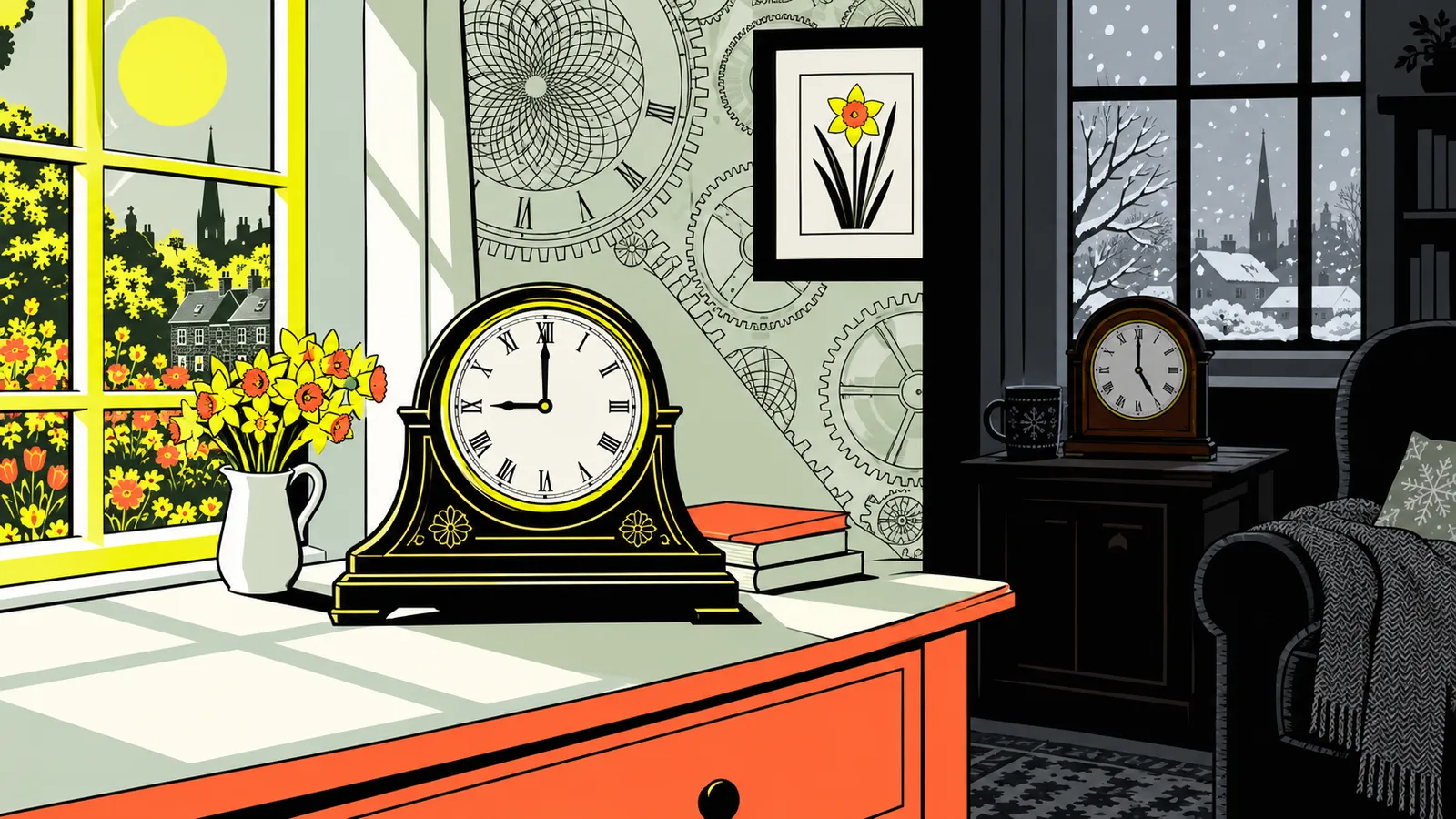
BST vs. GMT: The Difference in UK Time
The UK switches between GMT and British Summer Time each year. Here’s the one-hour difference, the 2027 change dates, and how to avoid time-zone mix-u

CET vs CEST: Europe’s Standard and Summer Time
CET is Central European Time, used in the standard-time part of the year; CEST is Central European Summer Time, one hour ahead. The EU’s current rules

IST vs GMT: The Time Difference Between India and the UK
India stays on IST year-round, while the UK switches between GMT and British Summer Time. That seasonal change makes the India–UK gap either five and

AEST vs AEDT: What’s the Difference in Australia?
AEST is Australian Eastern Standard Time, while AEDT is Australian Eastern Daylight Time. The difference is one hour, but only some Australian states

Time Zone Abbreviations: Meanings and UTC Offsets
A time zone abbreviation is a short label, not always a unique place or a year-round offset. Use this guide to check common abbreviations and avoid sc