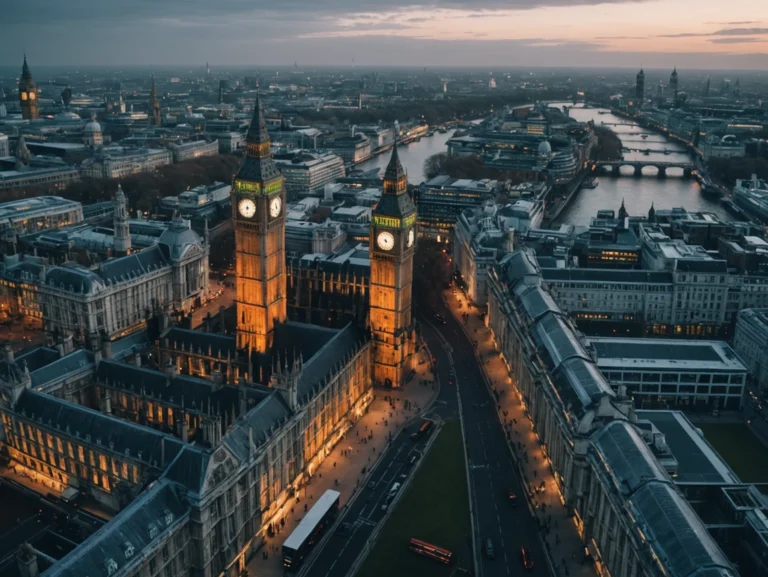

Time used to melt like butter on every town’s skillet—noon when your shadow said so, end of story. Then you tried to ride a train, send a telegram, run a market. Chaos. You want safety, schedules, power? You submit. Railways cracked the whip, wires carried minutes like bullets, and governments carved zones around Greenwich with politics, pride, and math. You think that clock on your phone is neutral? Wait till you see who set it—and why.
Key Takeaways
- Local solar time caused inconsistent noons; standard time emerged to coordinate communities and navigation.
- Railways and telegraphs demanded minute-level precision to prevent collisions, driving standardization and centralized timetables.
- The 1884 International Meridian Conference chose Greenwich as prime meridian, enabling global synchronization of maps and clocks.
- Nations drew time zone borders for politics, trade, and convenience, creating irregular lines, half-hour offsets, and International Date Line anomalies.
- Standard time improved safety, logistics, and economies: accurate navigation, faster freight, lower insurance, coordinated schedules; DST later attempted to align work hours with sunlight.
From Solar Noon to Shared Schedules

Although the sun once ruled your day, it was a terrible manager. It showed up late, ducked behind clouds, then sprinted off at dusk. You tried to keep up. You eyeballed noon by shadow and guesswork. That’s cute, not reliable. Old sundial practices taught patience, not precision, and you know it. Markets opened when shadows said so. Farmers moved when light hit the ridge. Priests rang bells. Communal ceremonies synced bodies, not minutes. You called that order. Please. One storm and the schedule collapsed. Hills stole sunlight. Streets argued with skylines. Your village noon wasn’t the next village noon, and yes, you were always “almost on time.” Admit it. You wanted a shared beat. A clock you could actually trust. Enough excuses. Start now.
Railways, Telegraphs, and the Need for Standard Time

You wanted a shared beat. Trains didn’t care about your sunset. They cared about minutes. Miss one, steel meets steel. That’s blood. So you synced up. You read station clocks, barked orders, watched wires buzz. Telegraph clicks slapped your day awake. No local noon, no cute village time. You wanted survival. Precision. Dispatch coordination or disaster. Choose.
Trains don’t honor sunsets; they demand minutes. Sync up or bleed.
| Track | Tool | Result |
|---|---|---|
| Main line | Station clocks | Same minute in every hall |
| Sidings | Telegraph orders | Trains meet, not collide |
| Timetables | Central time | Fewer excuses, faster freight |
Harsh? Good. The network forced you to grow up. Standard time wasn’t polite; it was a whip. You marched or you got run over, literally. Schedules tightened, profits rose, and finally your watch matched the roaring, unstoppable rail. About time, right?
The 1884 International Meridian Conference

Face it—you needed a single line on the map, so in 1884 they crowned Greenwich the Prime Meridian, and yes, your clocks bowed. You want global time standardization? Then stop the chaos of noon-by-church-bell and lock the world to zero. Argue if you want, but every schedule, every flight, every ping you send today kneels to that Greenwich zero, right now, no excuses.
Greenwich Prime Meridian
The world picked a line and dared everyone to live by it. You stand on Greenwich, zero on the map, and feel the arrogance crackle. A brass strip, a museum queue, and suddenly you measure east and west like you own them. You don’t, but you use them anyway. Call it cultural symbolism with teeth. Empires loved straight lines. So do timetables, charts, and your phone. You crave a clean start, so cartographic practice handed you one. Longitude counts. Navigation breathes. Ships don’t wander so blindly. You like that, don’t you. Yet the choice wasn’t fate. It was politics, pride, convenience, and hard math wrapped in fog and iron rails. Step over the line. You split the world. Then you keep walking. Right now.
Global Time Standardization
So that shiny Greenwich line wasn’t just tourist bait; in 1884 a roomful of delegates in Washington, D.C. hammered it into everyone’s clock.
You weren’t asked. You were told. They picked zero, drew slices, and dared the world to sync. Ships obeyed. You like your phone ticking right? Thank them, or argue with a century. Time got borders. Politics sneaked in. Cultural perceptions bent around a brass line, and people pretended noon was objective. Power talked; maps listened. You live with it. School does too. Educational curricula drill GMT like gospel, then mumble about control. Ask who benefits. Ask who gets late on purpose. You want chaos? Toss the zones. Miss trains, blow meetings, crash markets. Thought so. Order stings, yet you crave it.
Why Greenwich? Science, Empire, and Negotiation

Because ships ran on math and money, Greenwich grabbed the crown.
You want a prime meridian? Pick the place that feeds your fleet. Britain did. Royal patronage built the Observatory, and sailors trusted its clocks. That matters. You don’t risk cargo on guesswork. You follow the best data. Greenwich produced it. Star tables. Time signals. The famous time ball dropping at noon. Practical, brutal, decisive.
And empire spoke louder. British charts wrapped the oceans. That cartographic influence bullied markets and insurers. Follow Greenwich or pay more. Easy choice.
Negotiation sealed it. At the 1884 conference, delegates stared at power and pretended it was math. You know better. Commerce won. Science smiled. You still set your world by that zero because momentum is a tyrant.
Drawing the Lines: How Nations Adopted Time Zones

Greenwich crowned the zero. You didn’t vote on that, did you? Nations drew lines anyway, bold, crooked, self‑serving. You stared at a clock; ministers stared at borders. Railways yelled hurry. Admirals muttered steady. And politicians? They bargained. Map diplomacy ran hot. Capitals tugged the hours to hug their pride, dodge rivals, woo colonies. One island split time to flatter trade. One empire stretched noon like taffy. Logical? Please. Political resistance flared whenever a line shaved a province or snubbed a city. So you get zigzags, kinks, little national elbows poking the globe. Compromises, then more compromises. Conference tables smoked; cartographers sweated. You want straight lines. You don’t get them. You get power, wrapped as precision, sold as order, enforced by schedules. Every single day.
Economic, Social, and Navigational Impacts
You want global trade to hit on time, not miss the ship—time zones snap ports, markets, and screens into the same beat. They also punch your day, slicing work and rest into neat blocks, stealing late sunsets here, gifting midnight games there—admit it, your sleep’s on a leash. And at sea and in the air, you demand Safer, Precise Navigation, because guessing the sun with a pocket watch is cute until a reef or runway says otherwise.
Global Trade Synchronization
While cargo ships chased profits across oceans, clocks finally called the shots.
You think markets move by magic? Time zones yank the strings. You lock departure to Shanghai midnight, hit Suez on cue, and dock in Rotterdam when buyers wake hungry. That’s power. Miss the slot, lose the deal. Or worse, strawberries. Perishable scheduling isn’t cute. It’s survival. Same with customs harmonization. Shared clocks make paperwork less idiotic, inspections less random, bribes less tempting. You shave days, not minutes. Insurance smiles. Fuel plans hold. Pirates hate punctuality. So do bottlenecks. You coordinate convoys, and cranes, you win margins other people dream about. Trade hates chaos. You kill it with synced hours, timetables, and global rhythm. Don’t complain about time. Weaponize it. Do it now.
Labor and Leisure Patterns
Because clocks carved the planet into slices, your day got scripted. You punch in when the zone says so, not when your body agrees. Fact. Factories love order. Farmers grumble. Nights turn into Shift Work, bright lights, burnt coffee, hollow eyes. Mornings promise nothing but alarms. You eat lunch at noon because someone mapped noon. Not hunger. School bells copy rails and whistles, training you to march by minutes. Weekends become fenced fields. Play here, not there. And Leisure Inequality? It widens. Executives chase sunrises on jets; nurses chase sleep in parked cars. You call this progress. Sure. It pays bills, steals sunsets, and sells them back as streaming plans. Time zones coordinate commerce, yes. They also coordinate you. Obey, or fall behind. Today.
Safer, Precise Navigation
Before time zones, captains chased noon with guesswork and luck—after them, ships aimed true and arrived alive. You don’t drift; you decide. Time zones lock your map to reality. You match chronometer precision with charts, and suddenly storms aren’t the scariest thing—ignorance is. Celestial navigation snaps into focus because noon actually means noon, not some sloppy local rumor. You plot. You commit. You win.
Money follows. Fewer wrecks, fewer lawsuits, fewer widows waiting on docks. Insurers cheer. Cargo shows up un-soggy. Ports schedule cranes, not prayers. You move faster with less fuel. That’s cash.
And you? You stop pretending the ocean forgives mistakes. It doesn’t. Standard time hands you a sharper blade. Use it. Or keep guessing. Your call. Your risk. Your wake. Today.
Oddities and Outliers: Half-Hour Offsets and the Date Line
Breaking the clock rules, time zones misbehave at the edges. You want order. You get chaos. Half Hour Zones slap your neat map and laugh. India says UTC+5:30, not sorry. Nepal adds another fifteen, because why not. Australia splices thirty-minute slices like a time deli. You think that’s weird? Look east. Dateline Anomalies twist tomorrow into yesterday. Samoa jumped the line to catch Monday’s money, skipping a day like a bad song. Kiribati stretched the date like taffy to keep one country in one today. Cross a line, lose a birthday. Or gain one. Congrats and condolences. You chase noon. The planet says no. Politics says absolutely not. Geography shrugs. You adapt. You complain. You keep watching the clock anyway. Because time resists cages.
Daylight Saving Time: Experiments, Arguments, and Reforms
While the sun keeps doing its boring job, you and your clocks play hero and villain. You spring forward like a champ, then stagger like a zombie. You chase savings, then pay them back with interest. Fact: DST began as an experiment. Wartime thrift. Peacetime habit. You still argue. Lower evening lighting, maybe. Higher morning risk, absolutely. Commutes skew. Sleep cracks. Moods snap. For what? Tiny energy consumption gains, big health impacts, messy clocks.
| Claim | Counterpoint |
|---|---|
| More evening light saves energy | Darker mornings shift demand |
| Productivity jumps with longer days | Sleep debt wrecks focus |
| Clock changes are minor | Heart and crash risks spike |
| Uniformity helps travel | Local sunrise still rules bodies |
Pick a lane. Stop yo-yoing. Choose sunlight, or choose sleep, honestly, right now.
Time in a Networked World: Coordinating a 24/7 Planet
You fought over DST like it’s a moral test, now meet the real boss: a planet that never sleeps. You trade, stream, code, ship. Midnight for you is prime time for someone else. Markets blink. Servers hum. Miss a beat and you pay. So you lean on Timestamp Standards, not vibes. UTC cuts the drama. It’s the spine. You stamp orders, logs, and lives. But the world isn’t instant. Network Latency bites. Distance drags. Packets crawl. You think a millisecond is nothing? Tell that to a trader, a pilot, a surgeon, a launch team. Precision rules. Sloppy kills. You sync clocks, triage lag, route smart, retry faster. Automation helps, but you’re still responsible. Stay awake. Build for everywhere, every second, forever. No excuses now.