
You chase trains, you chase clocks, you chase power. You think noon is simple? Tell that to Greenwich’s throne, Samoa’s skipped Friday, and those smug half-hour time zones that laugh at round numbers. China runs one time for five time zones—efficient or imperial, pick one. Spain eats late because history said so. Your watch says truth, your map says otherwise. Want proof your day is rigged? Keep going, if you dare.
Key Takeaways
- Railroads standardized time to prevent scheduling chaos, synchronizing timetables and improving safety, freight efficiency, and market coordination.
- Greenwich became the global prime meridian, unifying noon/midnight definitions and aiding navigation, telegraphy, mapping, and international trade.
- Kiribati and Samoa shifted the Date Line, skipping days to align with trading partners, producing neighboring islands a day apart.
- Half-hour and quarter-hour offsets—India, Nepal, Newfoundland, South Australia—reflect cultural, economic, and practical choices over uniformity.
- Politics shape clocks: China enforces Beijing Time nationwide; Xinjiang informally uses local time; Spain adopted CET under Franco, reshaping daily rhythms.
Railroads and the Birth of Standard Time

While towns clung to their own sun‑soaked clocks, the railroads got sick of the chaos. You feel that mess, right? Noon here. Not noon there. Trains crash. People wait. Freight rots. You want order or a circus? Conductors demanded schedule synchronization, not guesswork. Dispatchers demanded railway safety, not prayer. So you swallow pride and pick shared hours. Rough. Necessary. A whistle blows and you move when it says, not when your porch shadow nods. Farmers grumble. Tough. Steel wins. Timetables bite like law, lines stitched by time, not weather, not whim. You hate rules until rules save your hide. Then you brag. Precision becomes power. Markets tighten. Mail flies. Miss one minute and you miss the world. Still nostalgic? Fine. Enjoy delays. Seriously now.
Greenwich Ascendant: The Meridian That Made Midnight
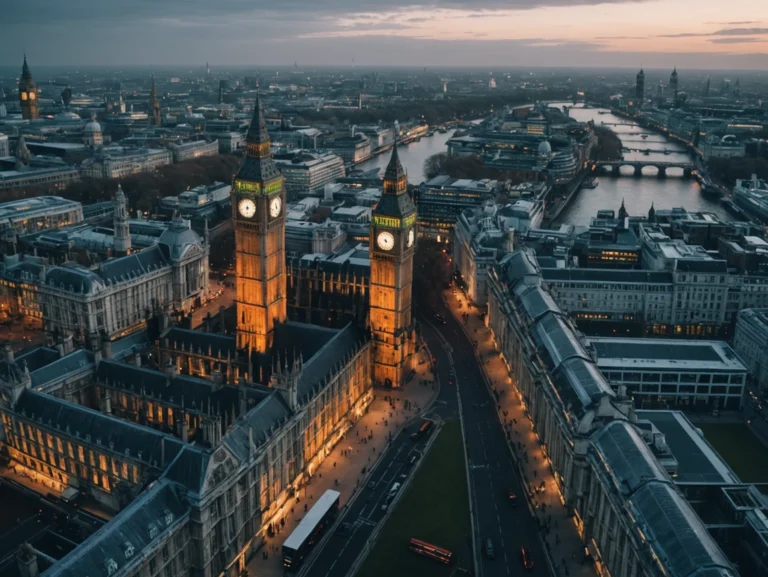
Because the world needed a referee, Greenwich grabbed the whistle. You didn’t vote. You didn’t even blink. Yet you set your clocks to its zero like it pays your rent. Why? Ships. Maps. Survival. Maritime navigation demanded one prime line, not fifty bruised egos. The Royal Observatory flexed hard; that observatory influence hit like gravity. Astronomers cut the sky into numbers, and you obeyed because storms don’t negotiate. Noon got nailed down. Midnight got minted. Traders moved cargo. Telegraphs spoke one language. You want chaos instead? Fine, miss your tide, miss your train, miss everything. Greenwich says start here. You start here. Simple. Brutal. Effective. And yes, a little smug. But you love results. So salute the meridian. Then check your watch. Right now.
Skipping a Day: Samoa, Kiribati, and the Date Line Shuffle

Greenwich hands you zero; the Pacific smirks and moves payday. You think time is fair. Cute. Kiribati shoved the Date Line east in 1995 so breakfast matched business calls, not yesterday’s leftovers. That’s Economic Alignment with a machete. Whole nation jumps a day. Boom. You blink, Monday becomes Tuesday. Samoa did it too in 2011, skipping December 30 to sync with Australia and New Zealand, where the money actually rings. You wanted a weekend? Tough. Commerce first. Yet you still count Sundays. Religious Observance collides with payroll, and you pick a side fast. American Samoa stayed back a day, a weird mirror across a short flight. Visit both, celebrate New Year twice, brag shamelessly. Or miss your birthday entirely. Your move. Don’t flinch today.
Odd Offsets: Half-Hour and Quarter-Hour Timekeeping

Though clocks pretend to be tidy, the world cheats with halves and quarters. You know it, but you ignore it until your flight lands and the math slaps you. India runs at UTC plus five thirty. Nepal pushes it to five forty‑five, because why not. Newfoundland shrugs at minus three thirty. South Australia? Half past the hour and proudly stubborn. These slices aren’t mistakes. They’re choices. Economic convenience meets cultural identity, and you get crooked minutes that actually fit daily life. Farmers, traders, broadcasters, all adapt. You adjust or you’re late. Simple. You want uniformity. Reality laughs. The sun doesn’t care about neat columns. People don’t either. So set the alarm, add the weird quarter, and stop whining. Time bends. You follow. Right now.
One Time to Rule Them All: China, Spain, and the Politics of the Clock

You think half-hours are messy; try a country that orders noon by fiat. In China you live by Beijing Time, even when the sun disagrees by two hours. Trains obey. Schools obey. Bodies don’t. In Xinjiang people whisper Urumqi time, a quiet revolt at breakfast. That’s symbolic standardization meeting regional resistance. Power sets the clock. You feel it tick.
Spain? Same trick, different costume. Franco shoved the nation into Berlin’s hour to flatter Hitler. It stuck like gum on a boot. Galicia wakes in darkness, kids yawn at ten, dinners stumble past midnight. Canary Islands beg for the disclaimer. You call it culture. It’s politics on your wrist. Time isn’t neutral. It chooses sides. So do you. Pick yours now. No more sleepy excuses.