

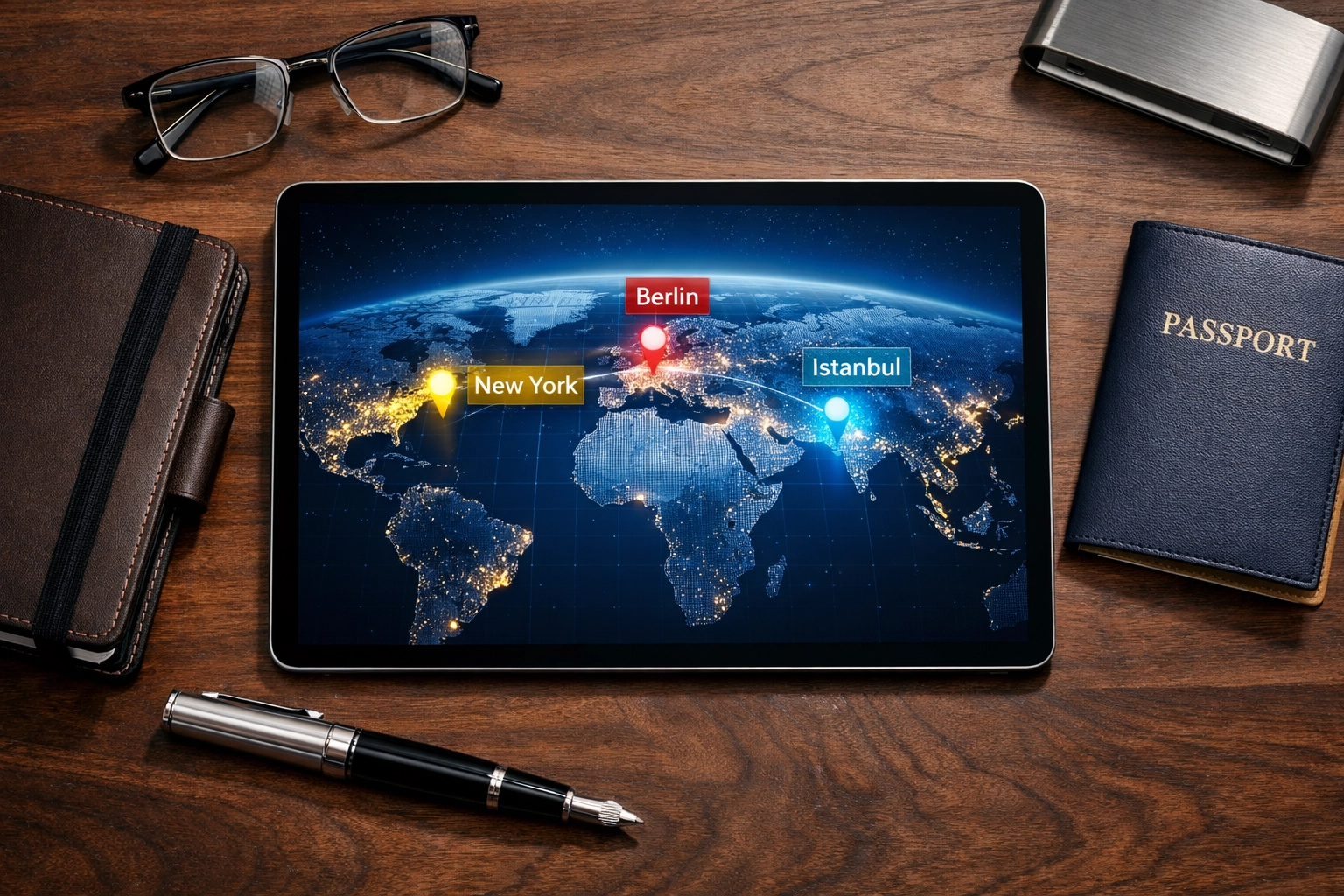
You are operating in a world that never sleeps, yet your biological clock demands a rhythm. To thrive in the global economy, you must master the art of temporal navigation. Scheduling an international call isn't just about looking at a clock; it’s about understanding the heartbeat of different cities. Whether you are closing a deal in Berlin, syncing with developers in Istanbul, or pitching to investors in New York, the difference between a successful connection and a missed opportunity is your grasp of the global time zones.
Today is Thursday, March 5, 2026. Right now, the world is in a state of flux as we approach the spring daylight saving shifts. You will learn to anticipate these changes before they disrupt your workflow. You will become the person who never wakes up a client at 3:00 AM.
Berlin: The European Powerhouse
When you ask, "What time is it in Berlin?", you are checking the pulse of the European Union’s economic engine. As of March 5, 2026, Berlin is operating on Central European Time (CET), which is UTC+1.
If you are calling from New York, you are facing a 6-hour time difference. When it is 9:00 AM in the Big Apple, it is already 3:00 PM in the graffiti-laden, tech-forward streets of Berlin. You have a narrow window. If you wait until your lunch break in Manhattan, your Berlin counterparts will be heading to a "Späti" for a post-work drink.
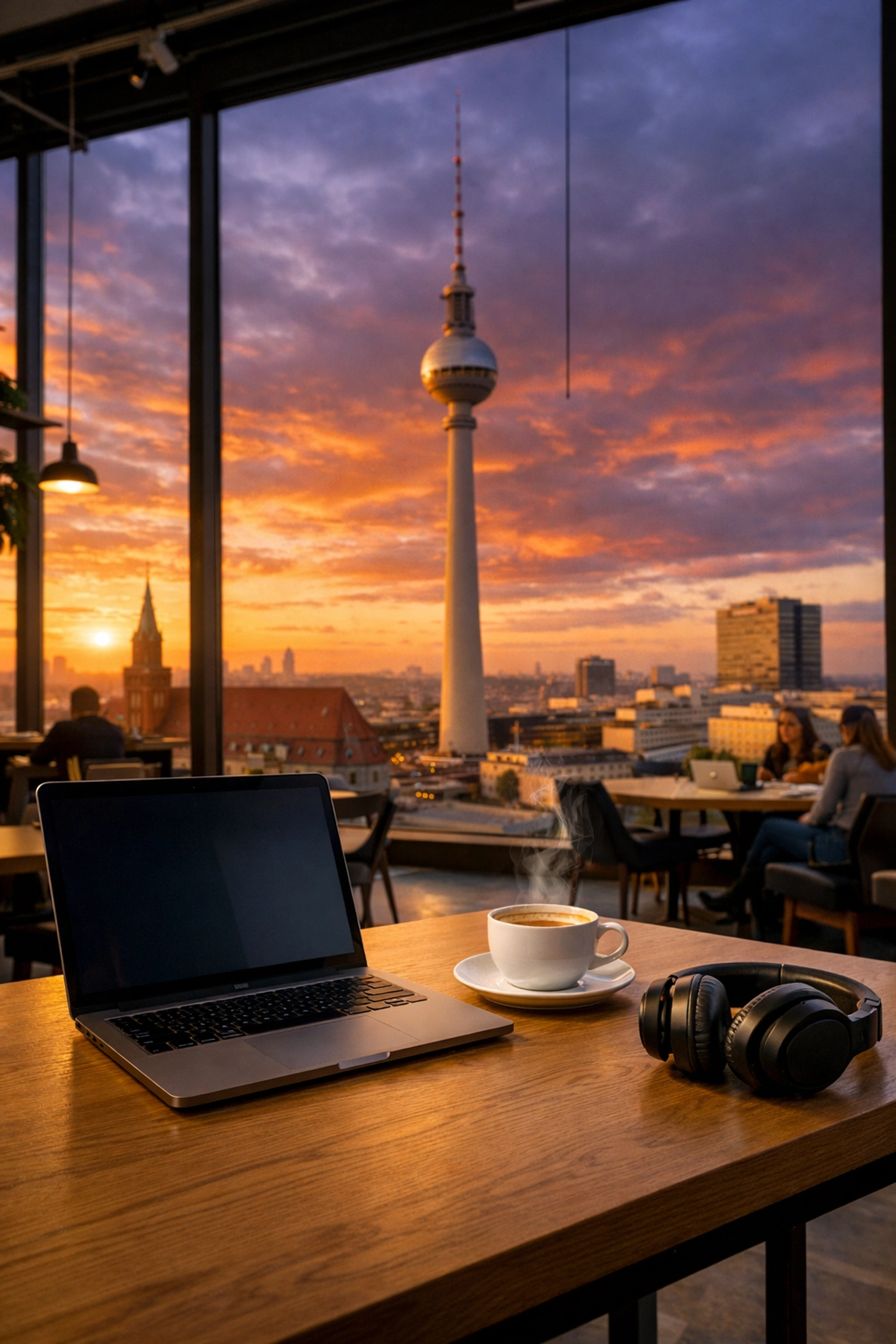
The DST Warning: Mark your calendars for March 29, 2026. This is when Berlin transitions to Central European Summer Time (CEST), moving to UTC+2. If your local region doesn’t shift on the same day, your carefully planned recurring meetings will fall into chaos. You will check the sitemap to stay ahead of these shifts.
Mapping the Global Hubs: A Strategic Overview
To be a true global insider, you must internalize the offsets of the major hubs. You don't just "guess"; you calculate with clinical precision.
- London (UTC+0): The bridge between East and West. Currently, London is one hour behind Berlin. It is the perfect "middle ground" for three-way calls involving the US and Asia.
- Istanbul (UTC+3): A booming tech hub that stays on a fixed offset. There is no DST here, making it a reliable anchor for your scheduling. Check the current status of what time is it in Istanbul right now to see how it aligns with your afternoon.
- Vienna (UTC+1): Mirroring Berlin, Vienna is a critical hub for Central European finance. You will find that what time is it in Vienna, Austria is identical to Berlin, making cross-border DACH region (Germany, Austria, Switzerland) coordination seamless.
- Tokyo (UTC+9): The far-east frontier. When Berlin is finishing lunch (1:00 PM), Tokyo is already at 9:00 PM. Calls here require early starts for Europeans or late nights for the Japanese.
- Las Vegas (UTC-8): Operating on Pacific Standard Time. For a Berlin-based executive, a call to Vegas at 6:00 PM means catching the Nevada team at 9:00 AM as the neon lights of the Strip begin to fade into the desert sun. You can verify this at what time is it in Las Vegas right now.
The "Golden Window": Best Time for Global Calls
You will find that the "Golden Window" for a truly global call: one that includes the US East Coast, Europe, and the Middle East: is exceptionally small.
13:00 to 15:00 UTC.
During this two-hour block:
- New York (08:00 – 10:00): Starting their day with fresh coffee.
- London (13:00 – 15:00): Right in the post-lunch productivity spike.
- Berlin/Vienna (14:00 – 16:00): Closing out their afternoon strong.
- Istanbul (16:00 – 18:00): Finishing the workday but still reachable.
Efficiency. Period.

Cultural Time Norms: Beyond the Clock
Precision is not just a mathematical concept; it is a cultural etiquette. In Berlin and Vienna, punctuality is a form of respect. If you are "on time," you are late. You will arrive in the digital meeting room two minutes early. This is the "expert-insider" secret to building trust quickly in the DACH region.
Conversely, in hubs like Istanbul or parts of the Middle East, time is often viewed as more fluid. The first ten minutes of a call might be dedicated to relationship-building and pleasantries. Do not rush this. You will use this time to build the rapport that leads to long-term success.
Travel and Jet Lag: The Business Traveler’s Guide
When you transition from the East Coast to the European hubs, you are not just changing your watch; you are shocking your system. You will experience a 6 to 9-hour shift that can leave your brain feeling like it’s wrapped in cotton wool.
- The Eastward Strategy: Flying to Berlin? You will take the overnight flight. You will fast during the flight and eat a high-protein breakfast upon arrival in Berlin at 8:00 AM local time. This resets your internal clock through metabolic signaling.
- The Light Hack: Use sunlight as a tool. As soon as you land in Berlin, you will seek out natural light. Avoid the temptation to nap in your hotel room. Stay awake until at least 8:00 PM local time. You will feel the "electric energy" of the city sustain you.
- Hydration: The dry air of long-haul cabins dehydrates your brain. You will drink 500ml of water for every three hours of flight time.

The Meeting Scheduler’s Toolkit
You will stop relying on manual math. The risk of a "daylight saving error" is too high. You will utilize a professional meeting scheduler tool that accounts for future DST transitions.
When you are coordinating with teams in South Korea, knowing what time is it KST is essential, but knowing what time it will be next month is what makes you a pro. You should also be aware of regional nuances, such as Pennsylvania time zones versus the broader East Coast, especially if your US partners are split between the coast and the inland hubs.
The Logic of the Labyrinthine Time System
The world is divided into 24 main time zones, but the reality is far more labyrinthine. Some regions, like Mountain Time, have states that ignore DST (Arizona), while others embrace it. Your job is to navigate these anomalies with ease.
You will prioritize the "human element." Just because it is 3:00 PM in Berlin doesn't mean your colleague in Los Angeles wants to talk at 6:00 AM. Respect the "Dark Hours" (10:00 PM to 07:00 AM). If you must schedule during these times, you will acknowledge the sacrifice. This small gesture of empathy will yield massive dividends in collaboration.
Final Briefing for the Global Elite
Success in international business is a game of millimeters. By mastering the global time zones, you remove the friction that slows down your competitors. You will always know what time is it in Berlin because you understand the UTC+1 foundation. You will anticipate the March 29 shift. You will bridge the gap between New York and Istanbul without breaking a sweat.

You are now equipped with the logistical precision and cultural insight to dominate your next international call. Trust the data, respect the culture, and master the clock. Your global empire depends on it.
For more deep dives into specific cities, explore our major international cities guide and never be caught off guard by a time zone shift again. What time is it? It's time for you to lead. Period.