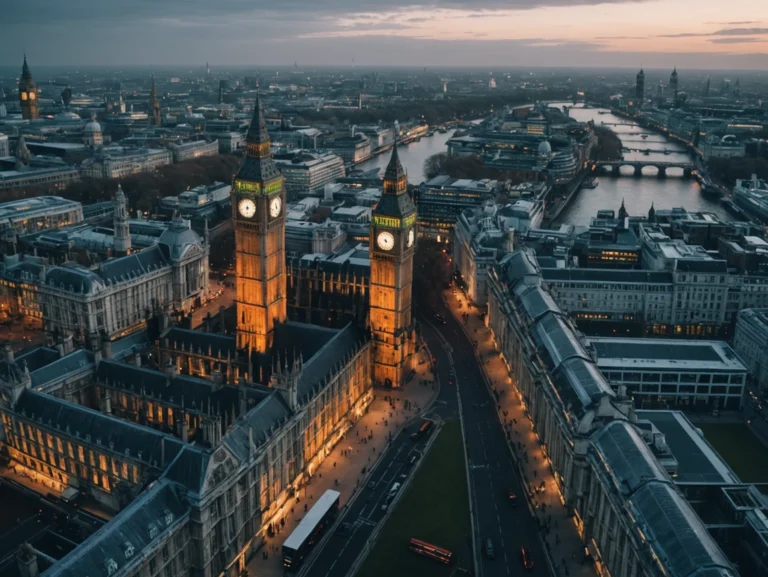
Your noon was a sundial’s shadow—crooked, local, stubborn. Then railroads crashed the party and your town clock lost the fight. Enter Fleming, GMT, and telegraph clicks that nailed time to rails. Later came daylight saving, leap seconds, and governments playing clock Jenga. You think your phone’s time is truth? Cute. It’s a treaty. It’s a bet. So who profits when your hour vanishes—and when it returns?
Key Takeaways
- Before standard time, towns used local solar noon from sundials, creating inconsistent schedules across regions.
- Railroads exposed conflicting local times, forcing synchronized timetables for safety and reliability.
- The 1884 International Meridian Conference chose Greenwich as prime meridian and standardized global time zones.
- Telegraph signals and observatory time pulses synchronized clocks; railroads formalized time zone boundaries.
- Atomic clocks created TAI and UTC; leap seconds and political time zone choices still complicate coordination.
Sundials, Local Noon, and the Patchwork of Time

Before clocks bossed you around, the sun called the shots. You watched shadows like a hawk and pretended that measured sand meant control. It didn’t. You checked local noon by the shortest shadow, then bragged, then ran. Town to town, noon shifted like a diva, and you dealt with it. Portable sundials dangled from belts like smug oracles. You squared them, squinted, and swore the sky was your calendar. Don’t like it? Move east. Suddenly it’s “later.” Move west. Magic rewind. You built noon rituals—bells, bread pulled from ovens, markets snapped open—then swore that was universal truth. It wasn’t. Your street, your sun, your rules. Romantic, sure. Also chaos in boots. You survived by watching light and obeying it, not the other way around.
Railroads and the Crisis of Conflicting Clocks

Then iron rails sliced across your cute hometown noon, and the sun lost the mic.
You board a train at 11:07 here, arrive at 11:02 there. Magic? No. Chaos. Conductors bark. Factories panic. Meetings miss themselves. Every town swears its clock is king, but the schedules don’t care. Merchants juggle four times before lunch, and you drop the ball. Watch manufacturing booms, not for style, for survival. Bosses tighten employee discipline because lateness now wrecks lines, cargo, pay. You feel the squeeze. You want one time that sticks. But towns bicker.
| Problem | Your headache |
|---|---|
| Two stations, three times | You miss the train, again |
| Factory whistle vs courthouse clock | You get docked, no appeal |
Railroads don’t wait. Steel demands obedience, not vibes. Either you sync up, or you get left behind, suitcase and pride both on the platform. No excuses.
Sandford Fleming and the Case for Standard Time

You watch Sandford Fleming miss a train because two timetables can’t agree—ridiculous, right? You feel the fallout; clocks bicker, schedules break, and you pay for their mess. So he swings hard with a bold cure—global standard time—one clock to rule your day, and you either cheer or choke, because change hits now.
Missed Train Incident
Although trains were the hot tech of the 1870s, the clocks were a mess, and Sandford Fleming paid for it the hard way. You show up on time, then the platform laughs. Public Embarrassment, loud and mean. The timetable lies. The whistle doesn’t. Doors slam. Wheels bite. You miss it. Again. You taste metal and pride. You glare at every dial, every smug pocket watch. Commuter Resilience kicks in. You hunt the gap, ask hard questions, sketch fixes in your head, and vow never to get played by chaos twice.
| Place | Clock | Outcome |
|---|---|---|
| Toronto | 5:30 | You wait |
| Port Hope | 5:20 | Train gone |
| Cobourg | 5:25 | Shrugs |
| Kingston | 5:40 | Angry crowd |
You learn fast. You write times twice. City time. Station time. Zero trust scheduling today.
Global Standard Time Proposal
After the humiliation, Fleming stops sulking and swings for the world. You want trains to meet, ships to dock, wires to agree. Then pick a clock and stick to it. He does. Twenty‑four time zones, one prime meridian, no excuses. You scoff? Fine. Enjoy missed connections and angry telegraphs. He pitches Universal Time, a spine for schedules, a cure for chaos. You crave Decimal Time or some shiny Global Calendar? Cute toys. Keep them on the shelf. Fleming’s fix bites harder. Simple lines. Clear borders. Local noon bows to a global beat. You win reliability. Commerce wins speed. Science wins sanity. And you lose alibis. Tick tock. Choose order over ego. Or keep guessing noon by the shadow of your hat. Like a fool.
The 1884 Meridian Conference and the Rise of GMT
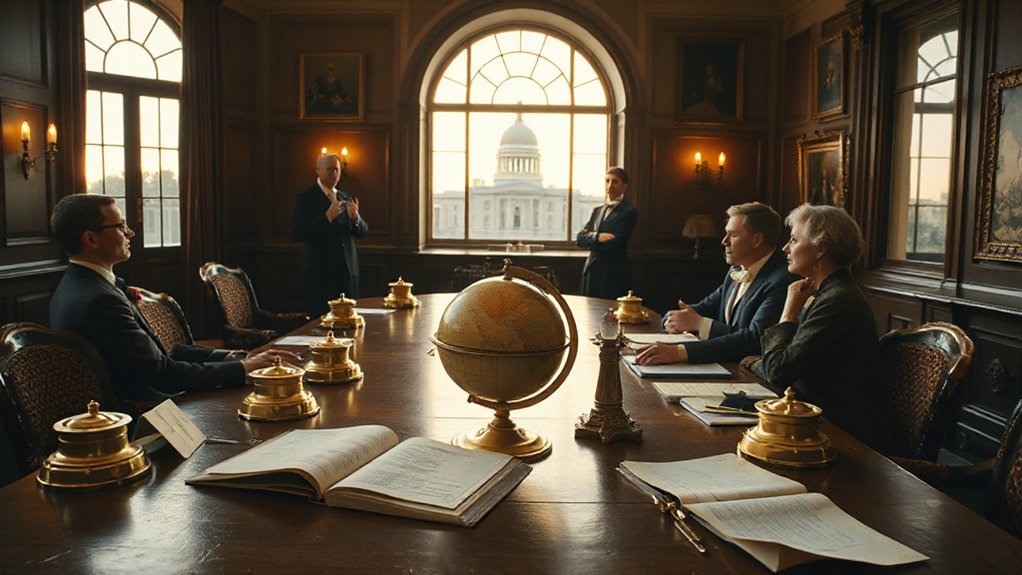
One conference yanked the world onto a single line.
You sit in that room, on edge, as maps glare back. London pushes. Paris bristles. The Prime Meridian is the prize. You want order, not guesswork. So you back Greenwich and dare rivals to blink. Hard? Sure. Necessary? Absolutely. Diplomatic Negotiations turn blunt.
| Topic | Who | Why |
|---|---|---|
| Prime Meridian | Voted | Clarity |
| GMT | Adopted | Consistency |
| Washington 1884 | Delegates | Order |
| Diplomatic Negotiations | Fierce | Compromise |
You hear votes click. GMT rises, blunt and global, a spine for civil time. Not perfect. Not gentle. But it sticks because ships, rails, and borders need one story. You hate chaos. You choose a ruler, not a shrug. Call it audacious. Call it tidy. Either way, you own it. History notices your nerve.
Telegraphs, Time Signals, and Synchronizing the World

Because wires finally outran wheels, the clock stopped being local and started barking orders. You felt the snap. Telegraph needles clicked like drill sergeants. Noon wasn’t a hunch anymore. It was a signal, sharp and cold, racing pole to pole. Observatories fired pulses. Harbors answered with Time balls dropping on the dot, sailors cheering or cursing, chronometers corrected without mercy. Rail dispatchers listened tight. You did too. Miss the tick and trains kiss. Want proof? Cities set whistles by a cable, not by the sun. Even mail marched. Postal synchronization pushed rural towns into step, whether they liked it or not. Precision bullied habit. And you complied. Because speed rules. Because delay kills. Because one wire said now—and you obeyed. Without excuses. Without escape.
Drawing the Lines: Adoption and Anomalies of Time Zones
You want order? Railroads smashed the chaos and drew the lines, then told you your noon is theirs. Trains needed clocks that agreed or people crashed and cargo burned, so you played along because steel and schedules don’t negotiate. But the map still misbehaves with half hour and quarter hour quirks—India at +5:30, Nepal at +5:45, Australia slicing thirty here and there—because straight lines are neat and reality laughs.
Railroad-Driven Standardization
While railroads chased profit and speed, they accidentally rewired time itself. You wanted reliable arrivals, not cosmic theory, yet here we are. Stations fought. Cities bickered. Noon slid around like soap. Rail bosses snapped. They imposed zones because chaos cost money. You felt the shove—brutal but clean. Timetable economics made minutes a currency. Crew coordination turned whistles into contracts. You hate mandates? Fine. Try guessing noon in three towns before lunch. Miss one meet and steel buckles. Markets stall. Mail rots. So you accept standard time, not from love, but because trains don’t wait.
| Driver | Action | Result |
|---|---|---|
| Late trains | Missed meets | Angrier towns |
| Timetable economics | Unified clocks | Faster transfers |
| Crew coordination | Fixed departures | Fewer crashes |
Order wins. Your schedule breathes. The map finally obeys.
Half-Hour and Quarter-Hour Zones
After the map got sliced into tidy hours, the world broke the ruler on purpose. You watched schedules snap. Half-hour? Quarter-hour? Yeah, rebels. India plants +5:30 like a flag. Newfoundland growls -3:30. Nepal shouts +5:45, because why not. Australia splits hairs at +9:30 and even +8:45. Chatham Islands? +12:45. Precision or attitude? Both. You call them Fractional Offsets; locals call them home.
Admit it. You love the mess. It screams Regional Identity. Borders aren’t just lines; they’re clocks with teeth. Trade wants smooth time. People want their own tick. You pick a side. Do you flatten history, or honor it with a stubborn half-step. Railroads begged order; villages refused. So you juggle. You convert. You curse. And secretly, you cheer. Because chaos keeps time.
Daylight Saving Time: Origins, Experiments, and Backlash
Because we hate wasting light, we invented a clock hack and called it Daylight Saving Time. You shove sunrise forward and swear you’re saving energy. Maybe in wartime, sure. Candles spared, factories humming, politicians crowing. Then comes the experiment phase. Cities jump in, farms balk, schools groan, and your morning feels stolen. You pretend the clock changed the sun. Cute. The backlash hits hard. Lost sleep, car crashes, cranky kids, grumpy nurses. Real health impacts, not just complaints. Your heart hates the spring leap. Your brain stalls. That’s circadian disruption, plain and brutal. You gain an evening jog, you lose focus at dawn. Worth it? You tell me. States vote, neighbors fight, clocks yo‑yo. Twice a year. For what, exactly? Answer it. Be honest.
From Ephemeris to Atomic: TAI, UTC, and Leap Seconds
Though clocks once bowed to the sky, you ditched the planets for atoms. You got tired of wobbly Earth and sluggish moons. So you grabbed cesium. You built time that hums, tick for tick, no clouds, no drama. That’s TAI, a pure beat. TAI mechanics are brutal and honest: count atomic ticks, average many clocks, ignore the planet’s bad hair days. But people live on sunrise. So you juggle. Enter UTC, a compromise with the messy world. It tracks TAI, then slaps in leap seconds when Earth drags its feet. Clean? Not really. Systems hiccup. Code panics. You’ve seen midnight stretch. Engineers dodge with leap smearing, spreading the fix across a day. It’s sneaky. It works. Until it doesn’t. Then you reset and wait.
Politics, Borders, and the Future of Global Timekeeping
Why does time obey flags? Because you let it. You salute borders, then set your watch. Noon jumps, and you pretend it’s normal. That’s time sovereignty, baby, painted on a map and nailed to your sleep. One country squeezes daylight; another hoards it. You cross a river, you lose an hour, you gain a headache. Call it temporal diplomacy if you like. I call it clock warfare.
You want the future? Pick a fight or pick a standard. UTC stands there, calm, while politicians chase applause. Fewer zones, saner lives, fewer missed calls. Or keep the circus. Permanent daylight saving, split cities, island fiefdoms of minutes. Make a choice. Harmonize, then thrive. Or defend your sacred thirty minutes. Enjoy jet lag, forever. And insomnia.